 Tigera Team
Author Archives: Tigera Team
Tigera Team
Author Archives: Tigera Team
SAN JOSE, Calif., March 23, 2026 — Tigera, the creator and maintainer of Project Calico, today announced a major expansion of its Unified Network Security Platform for Kubernetes, aimed at helping enterprises consolidate infrastructure and accelerate the migration of legacy workloads to cloud-native platforms.
The new capabilities include:
These innovations help organizations tackle the rising “complexity tax” in managing high-scale Kubernetes clusters and provide a high-velocity path to consolidate virtual machines and containers into a single, standardized platform.
“The industry is at a breaking point where the operational overhead of managing legacy hardware and fragmented VM silos is no longer sustainable. By building a distributed load balancer into the fabric of Calico, launching an Al assistant that ‘troubleshoots at the speed of thought,’ Continue reading
The cloud-native community is heading to the historic canals and vibrant tech scene of Amsterdam for KubeCon + CloudNativeCon Europe 2026! From March 23–26, Amsterdam will be buzzing with the latest in Kubernetes, platform engineering, and, of course, all things Calico.
Whether you’re a long-time Calico user or just starting your cloud-native security journey, Tigera has a packed schedule to make your KubeCon experience both educational and unforgettable.
 Meet Our International Team
Traveling from Vancouver, San Francisco, Toronto, Cork, London, and Cambridge, our team is excited to come together in Amsterdam to welcome you! Whether you’re a first-time attendee or a KubeCon veteran, our crew has been through the trenches and is ready to share tips on everything from eBPF security to the best bitterballen in the city.
The biggest shift in the ecosystem this year? Autonomous AI Agents. But as we move these agents into production, how do we ensure they are secure, compliant, and observed?
Join us for our featured workshop: Securing Autonomous Continue reading


The Calico community moves fast. With the releases of Calico 3.30 and 3.31, brings improvements in scalability, network security, and visibility. Now, we want to see what YOU can do with them!
We’re excited to officially invite you to the Project Calico 3.30+ Community Hackathon.
Whether you’re a seasoned eBPF expert or a newcomer to the Gateway API, we welcome your innovation and your ideas!
Table of Contents
 What’s in the Toolkit?
We’ve packed Calico 3.30+ with powerful features ready for you to hack on:
 Goldmane & Whisker: High-performance flow insights meets a sleek, operator-friendly UI. Staged Policies: The “Safety First” way to test Zero Trust before enforcing it. Calico Ingress Gateway: Modern, Envoy-powered traffic management via the Gateway API. Calico Cloud Ready: Connect open-source clusters to a free-forever, read-only tier for instant visualization and troubleshooting. IPAM for Load Balancers: Consistent IP strategies for MetalLB and beyond. Advanced QoS: Fine-grained bandwidth and packet rate controls.
 Inspiration: What Can You Build?
Whether you’re a networking guru or an automation Continue reading
We recently sat down with representatives from 42 companies to discuss a pivotal moment in Kubernetes networking: the NGINX Ingress retirement.
With the March 2026 retirement of the NGINX Ingress Controller fast approaching, platform teams are now facing a hard deadline to modernize their ingress strategy. This urgency was reflected in our recent workshop, “Switching from NGINX Ingress Controller to Calico Ingress Gateway” which saw an overwhelming turnout, with engineers representing a cross-section of the industry, from financial services to high-growth tech startups.
During the session, the Tigera team highlighted a hard truth for platform teams: the original Ingress API was designed for a simpler era. Today, teams are struggling to manage production traffic through “annotation sprawl”—a web of brittle, implementation-specific hacks that make multi-tenancy and consistent security an operational nightmare.
The move to the Kubernetes Gateway API isn’t just a mandatory update; it’s a graduation to a role-oriented, expressive networking model. We’ve previously explored this shift in our blogs on Understanding the NGINX Retirement and Why the Ingress NGINX Controller is Dead.
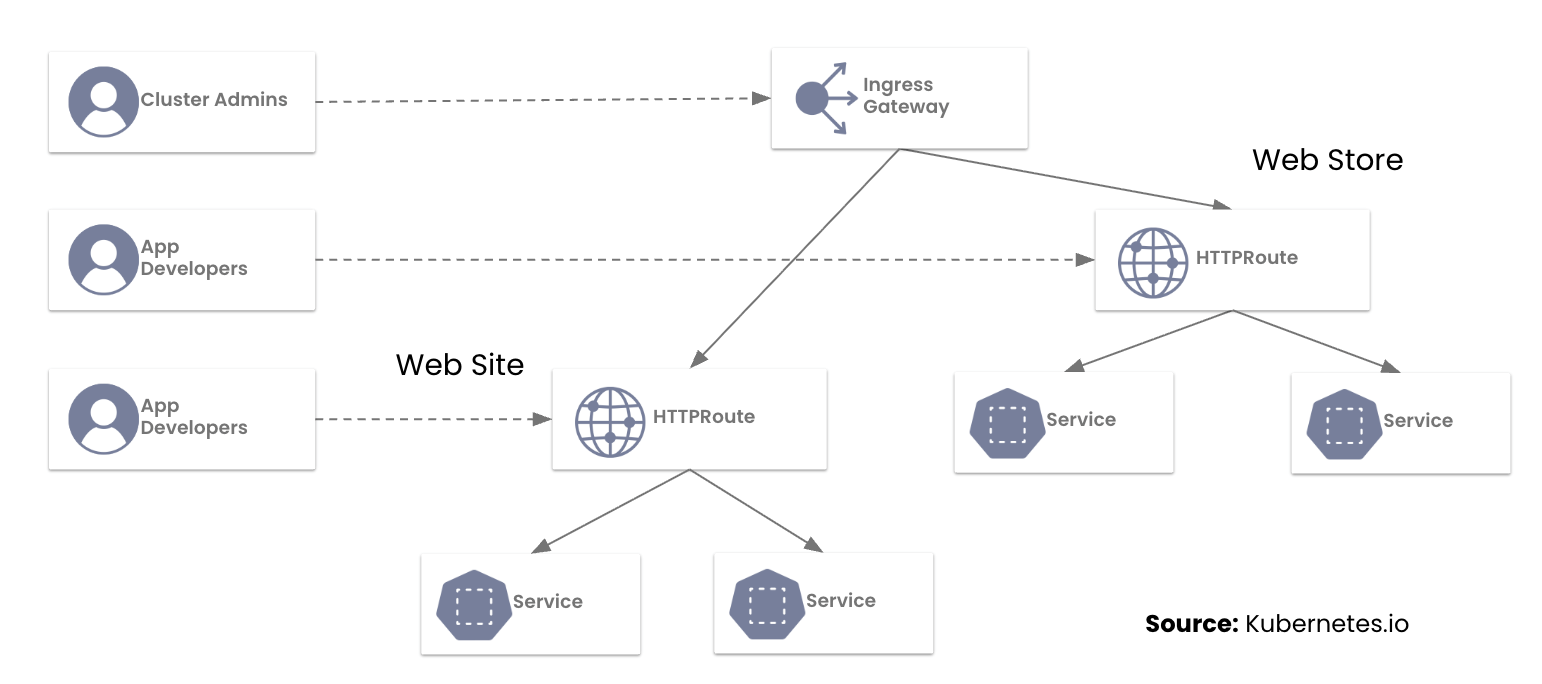
Today, we are excited to share a refresh of the Tigera and Calico visual identity!
This update better reflects who we are, who we serve, and where we are headed next.

If you have been part of the Calico community for a while, you know that change at Tigera is always driven by substance, not style alone. Since the early days of Project Calico, our focus has always been clear: Build powerful, scalable networking and security for Kubernetes, and do it in the open with the community.
Tigera was founded by the original Project Calico engineering team and remains deeply committed to maintaining Calico Open Source as the leading standard for container networking and network security.
“Tigera’s story began in 2016 with Project Calico, an open-source container networking and security project. Calico Open Source has since become the most widely adopted solution for containers and Kubernetes. We remain committed to maintaining Calico Open Source as the leading standard, while also delivering advanced capabilities through our commercial editions.”
—Ratan Tipirneni, President & CEO, Tigera
This refresh is an evolution, not a reinvention. You Continue reading
The Ingress NGINX Controller is approaching retirement, and teams need a clear path forward to manage Kubernetes ingress traffic securely and reliably. To make this transition easier, we’ve created a single, curated hub with all the relevant blogs and webinars. This hub serves as your one-stop resource for understanding the migration to Kubernetes Gateway API with Calico Ingress Gateway.
This curated hub is designed to guide your team from understanding Ingress NGINX retirement, through evaluating options, learning the benefits of Calico Ingress Gateway, and ultimately seeing it in action with webinars and a demo.
 One-stop resource: No need to hunt across the site for guidance. Recommended reading order: Helps teams build knowledge progressively. Actionable takeaways: Blogs explain why and how to migrate; webinars show it in practice. Demo access: Direct link to schedule personalized support for your environment.
Prediction: The next evolution of Kubernetes is not about scale alone, but about intelligence, autonomy, and governance.
As part of the article ‘AI and Enterprise Technology Predictions from Industry Experts for 2026′, published by Solutions Review, Ratan Tipirneni, CEO of Tigera, shares his perspective on how AI and cloud-native technologies are shaping the future of Kubernetes.
His predictions describe how production clusters are evolving as AI becomes a core part of enterprise platforms, introducing new requirements for security, networking, and operational control.
Looking toward 2026, Tipirneni expects Kubernetes to move beyond its traditional role of running microservices and stateless applications. Clusters will increasingly support AI-driven components that operate with greater autonomy and interact directly with other services and systems. This shift places new demands on platform teams around workload identity, access control, traffic management, and policy enforcement. It also drives changes in how APIs are governed and how network infrastructure is designed inside the cluster.
Read on to explore Tipirneni’s predictions and what they mean for teams preparing Kubernetes platforms for an AI-driven future.
By 2026, Tipirneni predicts that Kubernetes environments will increasingly host agent-based workloads rather than only traditional cloud native applications. Continue reading

Platform teams are tasked with keeping clusters secure and observable while navigating a skills gap. At KubeCon + CloudNativeCon North America, The New Stack spoke with Ratan Tipirneni, President and CEO of Tigera, about the future of Kubernetes security, AI-driven operations, and emerging trends in enterprise networking. The highlights from that discussion are summarized below.
Portions of this article are adapted from a recorded interview between The New Stack’s Heather Joslin and Tigera CEO Ratan Tipirneni. You can watch the full conversation on The New Stack’s YouTube channel. Watch the full interview here
Tipirneni emphasizes the importance of controlling risk in Kubernetes clusters. “You want to be able to microsegment your workloads so that if you do come under an attack, you can actually limit the blast radius,” he says.
Egress traffic is another area of concern. According to Tipirneni, identifying what leaves the cluster is critical for security and compliance. Platform engineers are often navigating complex configurations without decades of Continue reading
The Tigera team recently returned from KubeCon + CloudNativeCon North America and CalicoCon 2025 in Atlanta, Georgia. It was great, as always, to attend these events, feel the energy of our community, and hold in-depth discussions at the booth and in our dedicated sessions that revealed specific, critical shifts shaping the future of cloud-native platforms.
We pulled together observations from our Tigera engineers and product experts in attendance to identify three key trends that are directly influencing how organizations manage Kubernetes today.
 Trend 1: Kubernetes is Central to AI Workload Orchestration
A frequent and significant topic of conversation was the role of Kubernetes in supporting Artificial Intelligence and Machine Learning (AI/ML) infrastructure.
The consensus is clear: Kubernetes is becoming the standard orchestration layer for these specialized workloads. This requires careful consideration of networking and security policies tailored to high-demand environments. Observations from the Tigera team indicated a consistent focus on positioning Kubernetes as the essential orchestration layer for AI workloads. This trend underscores the need for robust, high-performance CNI solutions designed for the future of specialized computing.
 Trend 2: Growth in Edge Deployments Increases Complexity
Conversations pointed to a growing and tangible expansion of Kubernetes beyond central data centers and Continue reading
Securing what comes into your Kubernetes cluster often gets top billing. But what leaves your cluster, outbound or egress traffic, can be just as risky. A single compromised pod can exfiltrate data, connect to malicious servers, or propagate threats across your network. Without proper egress controls, workloads can reach untrusted destinations, creating serious security and compliance risks. This guide breaks down five practical steps to strengthen Kubernetes egress security, helping teams protect data, enforce policies, and maintain visibility across clusters.
Why Egress Controls Matter
|
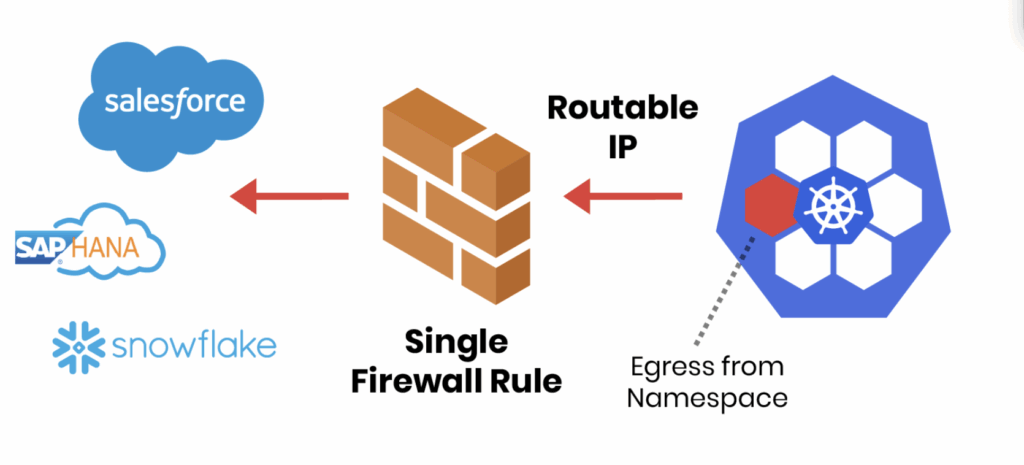
To help teams tackle this challenge, we’ve put together a Kubernetes Egress Security Checklist, based on best practices from real-world Continue reading
When deploying a Kubernetes cluster, a critical architectural decision is how pods on different nodes communicate. The choice of networking mode directly impacts performance, scalability, and operational overhead. Selecting the wrong mode for your environment can lead to persistent performance issues, troubleshooting complexity, and scalability bottlenecks.
The core problem is that pod IPs are virtual. The underlying physical or cloud network has no native awareness of how to route traffic to a pod’s IP address, like 10.244.1.5 It only knows how to route traffic between the nodes themselves. This gap is precisely what the Container Network Interface (CNI) must bridge.
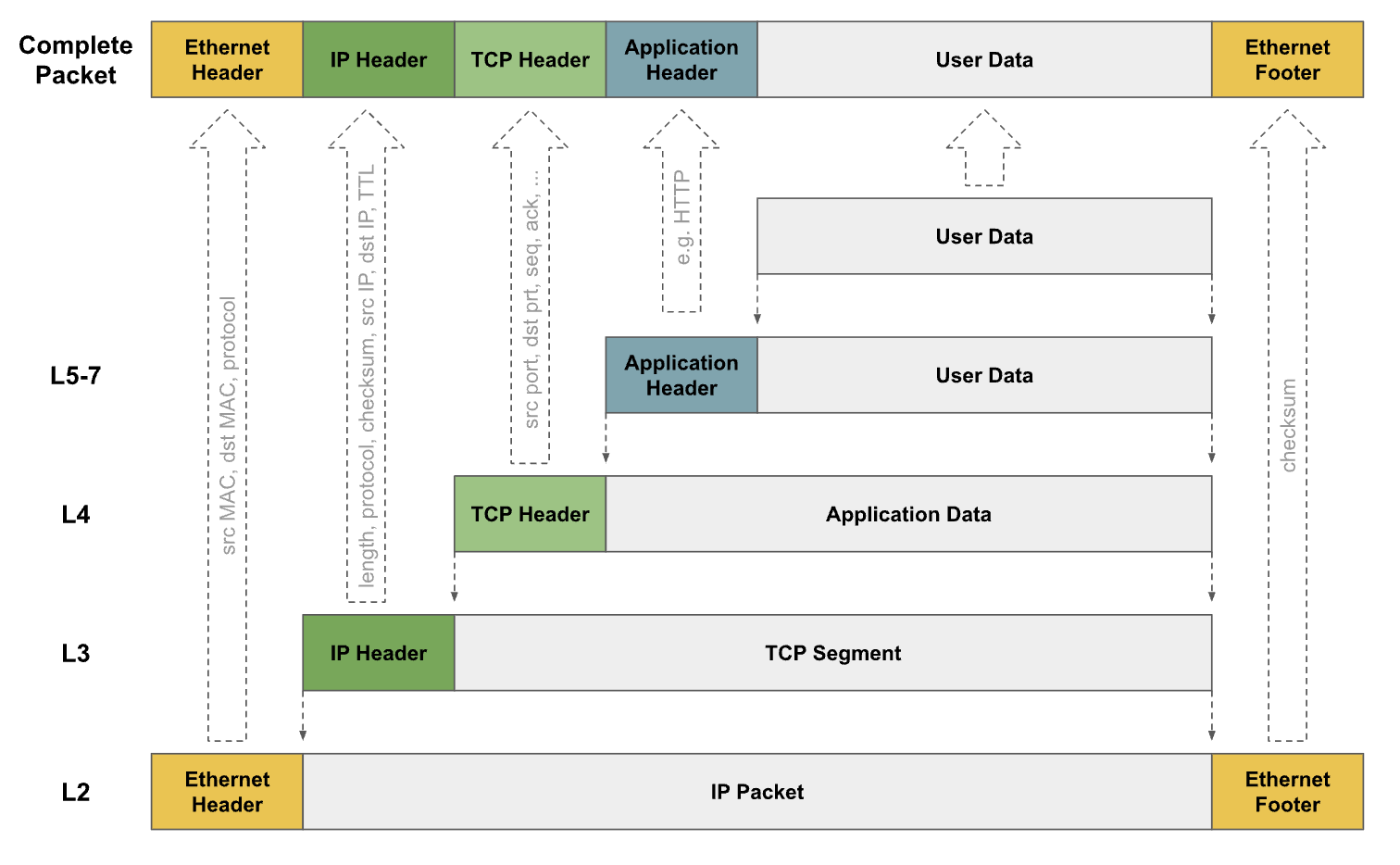
The CNI employs two primary methods to solve this problem:
