Announcing AMP Real URL
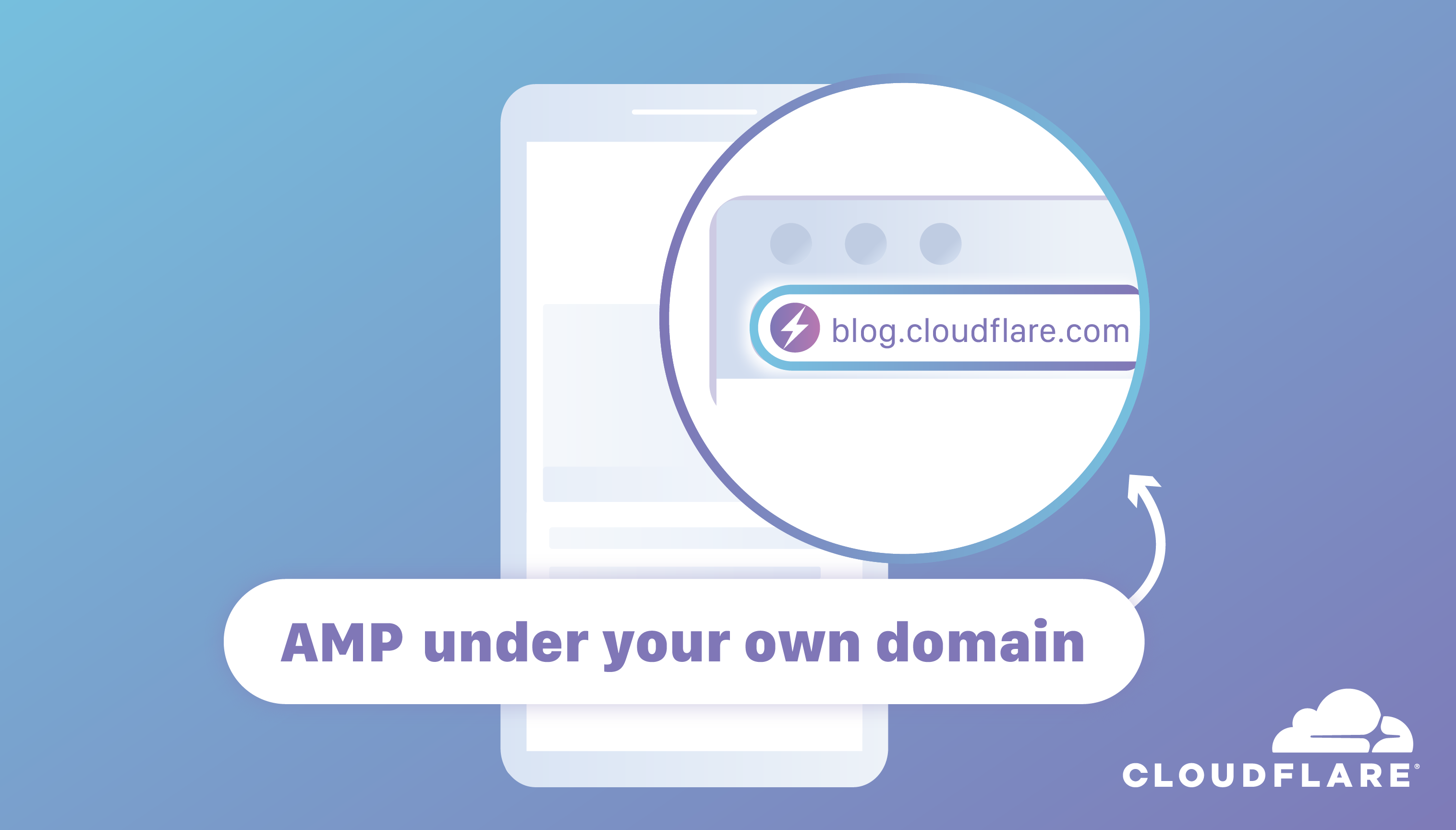
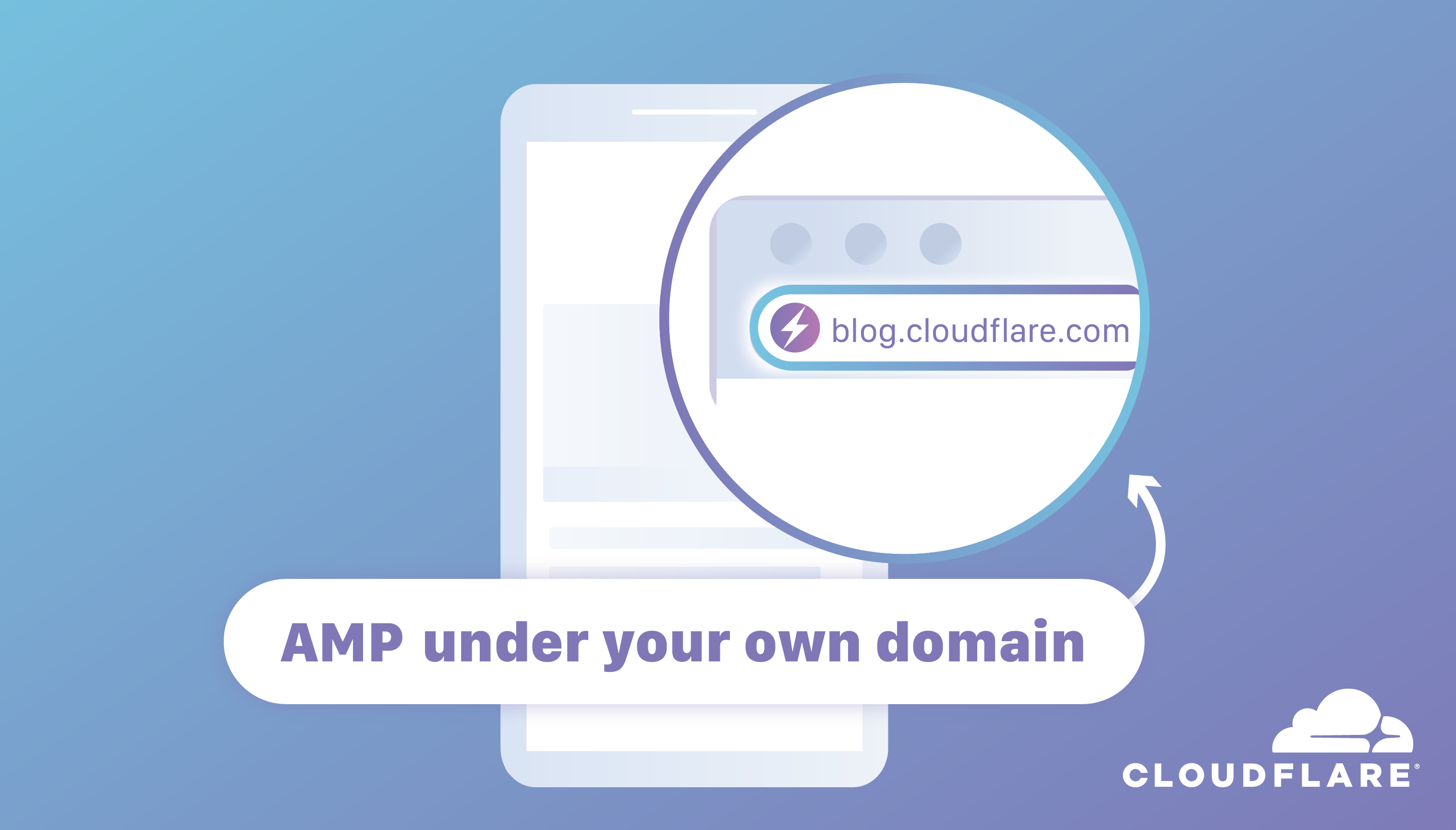
The promise of the AMP (Accelerated Mobile Pages) project was that it would make the web, and, in particular, the mobile web, much more pleasant to surf. The AMP HTML framework was designed to make web pages load quickly, and not distract the user with extraneous content that took them away from focusing on the web page’s content.
It was particularly aimed at publishers (such as news organizations) that wanted to provide the best, fastest web experience for readers catching up on news stories and in depth articles while on the move. It later became valuable for any site which values their mobile performance including e-commerce stores, job boards, and media sites.
As well as the AMP HTML framework, AMP also made use of caches that store copies of AMP content close to end users so that they load as quickly as possible. Although this cache make loading web pages much, much faster they introduce a problem: An AMP page served from Google’s cache has a URL starting with https://google.com/amp/. This can be incredibly confusing for end users.
Users have become used to looking at the navigation bar in a web browser to see what web site Continue reading


 Klusterkit can work with frameworks like Cluster API and kubeadm to help enterprises use Kubernetes...
 Omnitek will join Intel’s Programmable Solutions Group, and will provide video and AI inferencing...
 According to Jody Hagemann, who is developing the Comcast Business ActiveCore platform (starting...
 The Chinese juggernaut this week is trying to shift attention to the future by highlighting 5G...


 The two companies previously announced a partnership this year to build a 5G-ready, IP-based...
 More than 1,400 customers including enterprises, cloud providers, and network service providers use...