OPNFV’s Third Release Includes Security Enhancements
 It also sets the stage for MANO work.
Nokia Trials Its Drone Traffic Management Platform
 5G and mobile edge computing play into UAV safety.
snaproute Go BGP Code Dive (11): Moving to Open Confirm
In the last post in this series, we began considering the bgp code that handles the open message that begins moving a new peer to open confirmed state. This is the particular bit of code of interest—
case BGPEventBGPOpen:
  st.fsm.StopConnectRetryTimer()
  bgpMsg := data.(*packet.BGPMessage)
  if st.fsm.ProcessOpenMessage(bgpMsg) {
    st.fsm.sendKeepAliveMessage()
    st.fsm.StartHoldTimer()
    st.fsm.ChangeState(NewOpenConfirmState(st.fsm))
  }
We looked at how this code assigns the contents of the received packet to bgpMsg; now we need to look at how this information is actually processed. bgpMsg is passed to st.fsm.ProcessOpenMessage() in the next line. This call is preceded by the st.fsm, which means this function is going to be found in the FSM, which means fsm.go. Indeed, func (fsm *FSM) ProcessOpenMessage... is around line 1172 in fsm.go—
func (fsm *FSM) ProcessOpenMessage(pkt *packet.BGPMessage) bool {
 body := pkt.Body.(*packet.BGPOpen)

 if uint32(body.HoldTime) < fsm.holdTime {
  fsm.SetHoldTime(uint32(body.HoldTime), uint32(body.HoldTime/3))
 }

 if body.MyAS == fsm.Manager.gConf.AS {
  fsm.peerType = config.PeerTypeInternal—
 } else {
  fsm.peerType = config.PeerTypeExternal
 }

 afiSafiMap := packet.GetProtocolFromOpenMsg(body)
 for protoFamily, _ := range afiSafiMap {
if fsm. Continue readingTelefónica Picks Juniper to Deliver Network Security
 A step toward reviving Juniper's security revenues.
Microsoft Ignite Kicks Off With Docker, Azure Stack & AI
 Azure taps Microsoft's new FPGA army.
Asynchronous Docker metrics
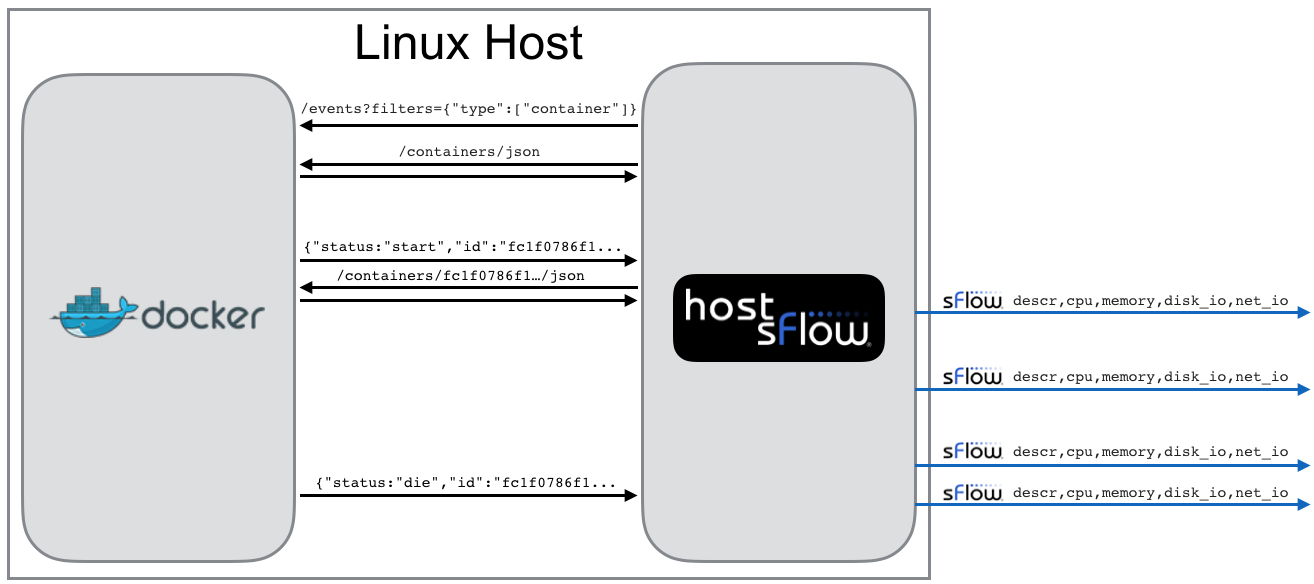
This article describes how the latest version of the Host sFlow agent is able to track the performance of a rapidly changing population of Docker containers and export a real-time stream of standard sFlow metrics.

The diagram at the beginning of this article shows the sequence of messages, going from top to bottom, required to track a container. The Host sFlow agent first registers for container Continue reading
The U.S. presidential candidates on technology, privacy issues
With the general election creeping ever closer here in the United States, now seemed like a good time to get an official stance from the four presidential candidates who will be on the ballot about critical issues around technology and privacy.
I narrowed my list of questions for them down to just four (my original list was around 12) in order to make this easy for each campaign to answer. And each campaign was asked the exact same questions—with no variation whatsoever.
Even so, the only campaign to respond to me in any real way was Jill Stein’s. The Hillary Clinton, Gary Johnson and Donald Trump campaigns declined to provide concrete stances or clarifications—though I did get some helpful links from a Johnson surrogate.
To read this article in full or to leave a comment, please click here