Crystal Notes: Methods
Method A Method in Crystal is like a fuction in other languages. Overloading Methods in Crystal can be overloaded. This means that methods with the same name but different signatures are treated as different methods. Default Parameters Methods can have default parameters. Splat ...continue reading
Crystal Notes: Methods
Method A Method in Crystal is like a fuction in other languages. Overloading Methods in Crystal can be overloaded. This means that methods with the same name but different signatures are treated as different methods. Default Parameters Methods can have default parameters. Splat ...continue reading
Hedge 93: Dinesh Dutt and Observability

We talk a lot of about telemetry in the networking world, but generally as a set of disconnected things we measure, rather than as an entire system. We also tend to think about what we can measure, rather than what is useful to measure. Dinesh Dutt argues we should be thinking about observability, and how to see the network as a system. Listen in as Dinesh, Tom, And Russ talk about observability, telemetry, and Dinesh’s open source network observability project.
How to Listen to the Hedge

The Hedge is over 90 episodes now … I’m a little biased, but I believe we’re building the best content in network engineering—a good blend of soft skills, Internet policy, research, open source projects, and relevant technical content. You can always follow the Hedge here on Rule 11, of course, but it’s also available on a number of services, including—
I think it’s also available on Amazon Music, but I don’t subscribe to that service so I can’t see it. You can check the Podcast Directory for other services, as well. If you enjoy the Hedge, please post a positive rating so others can find it more easily.
Day Two Cloud 108: Putting The Dev In DevOps
Today's Day Two Cloud podcast dives into Cloud Development Kits (CDKs). How do CDKs differ from tools such as Terraform? What are the selling points for CDKs for infrastructure and development professionals? Our guest is Michael Levan, Researcher and Consultant at GigaOM.
The post Day Two Cloud 108: Putting The Dev In DevOps appeared first on Packet Pushers.
Day Two Cloud 108: Putting The Dev In DevOps
Today's Day Two Cloud podcast dives into Cloud Development Kits (CDKs). How do CDKs differ from tools such as Terraform? What are the selling points for CDKs for infrastructure and development professionals? Our guest is Michael Levan, Researcher and Consultant at GigaOM.HS 009 The Metrics of IT Security
How do you measure IT Security ? Specifically, how do you decide to allocate budget and justify the underlying reasoning. Most companies allocate a percentage of IT Budget, but Johna argues differently.
The post HS 009 The Metrics of IT Security appeared first on Packet Pushers.

HS 009 The Metrics of IT Security
How do you measure IT Security ? Specifically, how do you decide to allocate budget and justify the underlying reasoning. Most companies allocate a percentage of IT Budget, but Johna argues differently.
Two Critical Ways to Prevent Developers from Breaking DNS
Stop expecting developers to be DNS experts. Give them the higher-level APIs they need. And design your DNS architecture to avoid siloing.New MANRS Routing Security Primers for Decision-makers

As a policymaker or executive, do you worry about your data getting stolen or intercepted? Or your website suffering an attack? Or your services being shut down? Today on the MANRS blog, we’re introducing new primers that explain why you should care about routing security and simple steps you can take to decrease routing security […]
The post New MANRS Routing Security Primers for Decision-makers appeared first on Internet Society.
Crawler Hints: How Cloudflare Is Reducing The Environmental Impact Of Web Searches


Cloudflare is known for innovation, for needle-moving projects that help make the Internet better. For Impact Week, we wanted to take this approach to innovation and apply it to the environmental impact of the Internet. When it comes to tech and the environment, it’s often assumed that the only avenue tech has open to it is harm mitigation: for example, climate credits, carbon offsets, and the like. These are undoubtedly important steps, but we wanted to take it further — to get into harm reduction. So we asked — how can the Internet at large use less energy and be more thoughtful about how we expend computing resources in the first place?
Cloudflare has a global view into the traffic of the Internet. More than 1 in 6 websites use our network, and we observe the traffic flowing to and from them continuously. While most people think of surfing the Internet as a very human activity, nearly half of all traffic on the global network is generated by automated systems.
We've analyzed this automated traffic, from so-called “bots,” in order to understand the environmental impact. Most of the bot traffic is malicious. Cloudflare protects our clients from this malicious traffic Continue reading
Introducing Smart Edge Revalidation
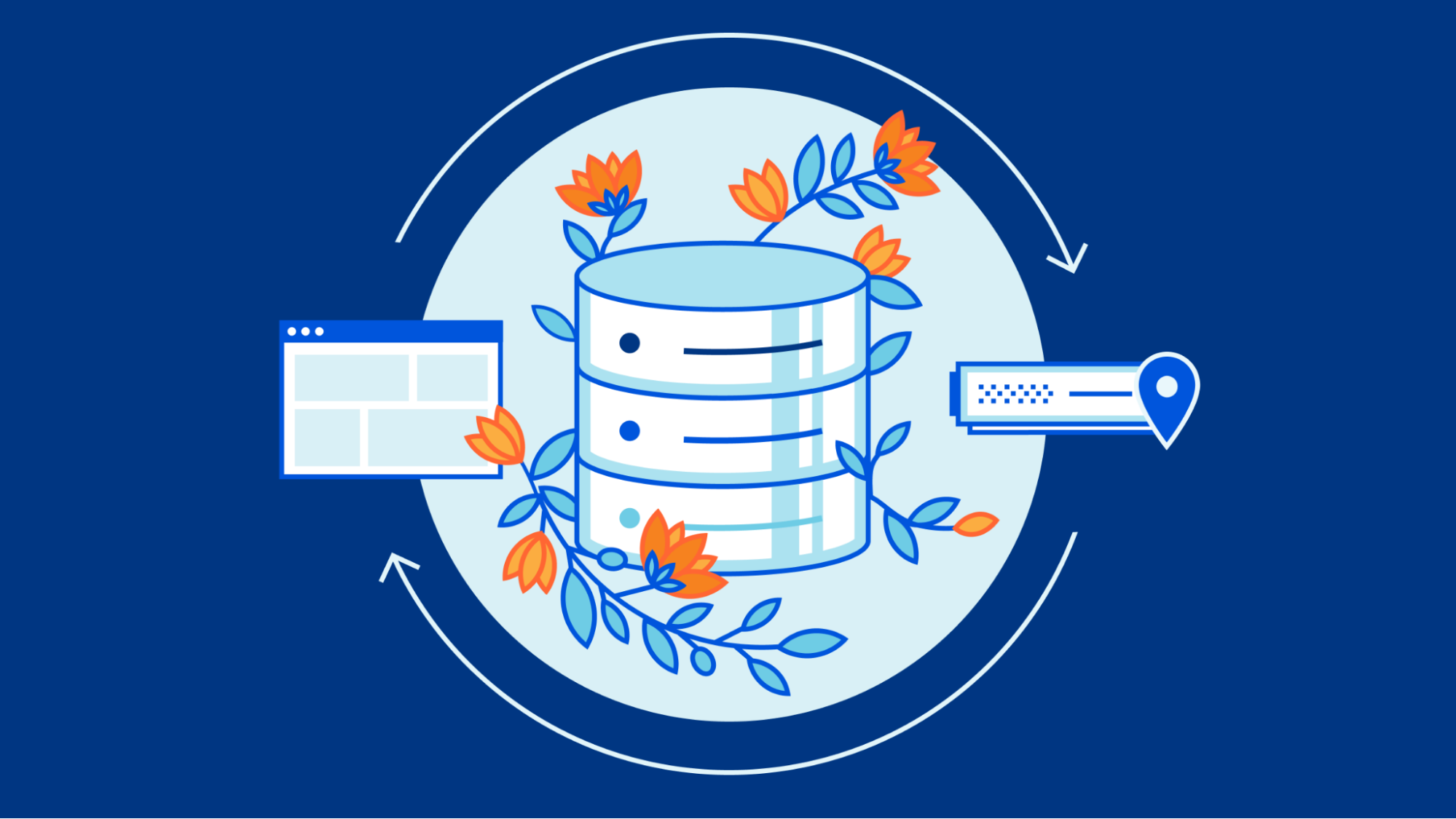
Today we’re excited to announce Smart Edge Revalidation. It was designed to ensure that compute resources are synchronized efficiently between our edge and a browser. Right now, as many as 30% of objects cached on Cloudflare’s edge do not have the HTTP response headers required for revalidation. This can result in unnecessary origin calls. Smart Edge Revalidation fixes this: it does the work to ensure that these headers are present, even when an origin doesn’t send them to us. The advantage of this? There’s less wasted bandwidth and compute for objects that do not need to be redownloaded. And there are faster browser page loads for users.
So What Is Revalidation?
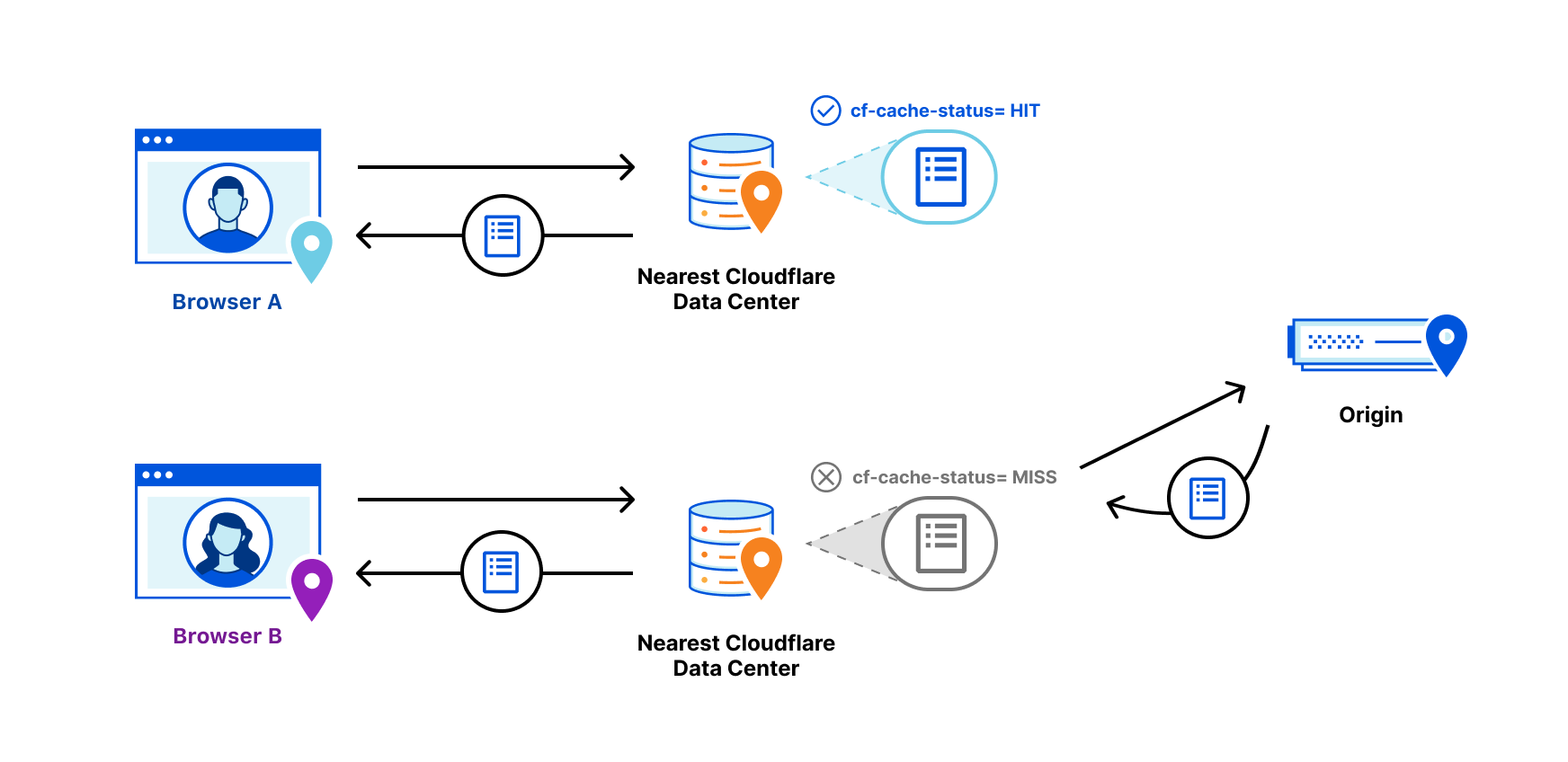
Revalidation is one part of a longer story about efficiently serving objects that live on an origin server from an intermediary cache. Visitors to a website want it to be fast. One foundational way to make sure that a website is fast for visitors is to serve objects from cache. In this way, requests and responses do not need to transit unnecessary parts of the Internet back to an origin and, instead, can be served from a data center that is closer to the visitor. As such, website operators Continue reading
LISP – OMP – BGP EVPN Interoperability – Part III: SD-WAN Control Plane
Introduction
Figure 2-1 shows the Control Plane operation when host EP1 using IP 172.16.100.10/32 joins the network. In the previous chapter, we saw how Edge-xTR-11 learned the IP address and registered it to MapSrv-22 by using the LISP Map-register Message where the Instance-Id 100 represents Virtual Network-Id (VN-Id). MapSrv-22, in turn, advertised the NLRI to Border-PxTR-13 as BGP VPNv4 Update message where extended community RT 1:100 (=VN-Id) is used as a kind of VPN identifier (BGP VPNv4 route import/export policy is based on RT value). This chapter first explains how Border-PxTR-13 sends BGP IPv4 Update message to local SD-WAN device vEdge-1. The eBGP peering between Border-PxTR-13 and vEdge1 is VRF based and BGP updates over it don’t carry any VN-Id. vEdge-1 imports the routing information from BRIB to RIB. Then it advertises the routing information by using OMP (Overlay Management Protocol) to the SD-WAN centralized Control Plane vSmart over the DTLS tunnel using System-IP as an originator-Id and VPN label 1003 as a VN-Id. vSmart forwards this update to SD-WAN device vEdge-2 located in Datacenter. vEdge-2 installs the route into the routing table. After that, it exports the routing information from the RIB to the BGP process and sends the BGP IPv4 Update message to Border-Leaf-13 over VRF NWKT eBGP peering without VN-Id.
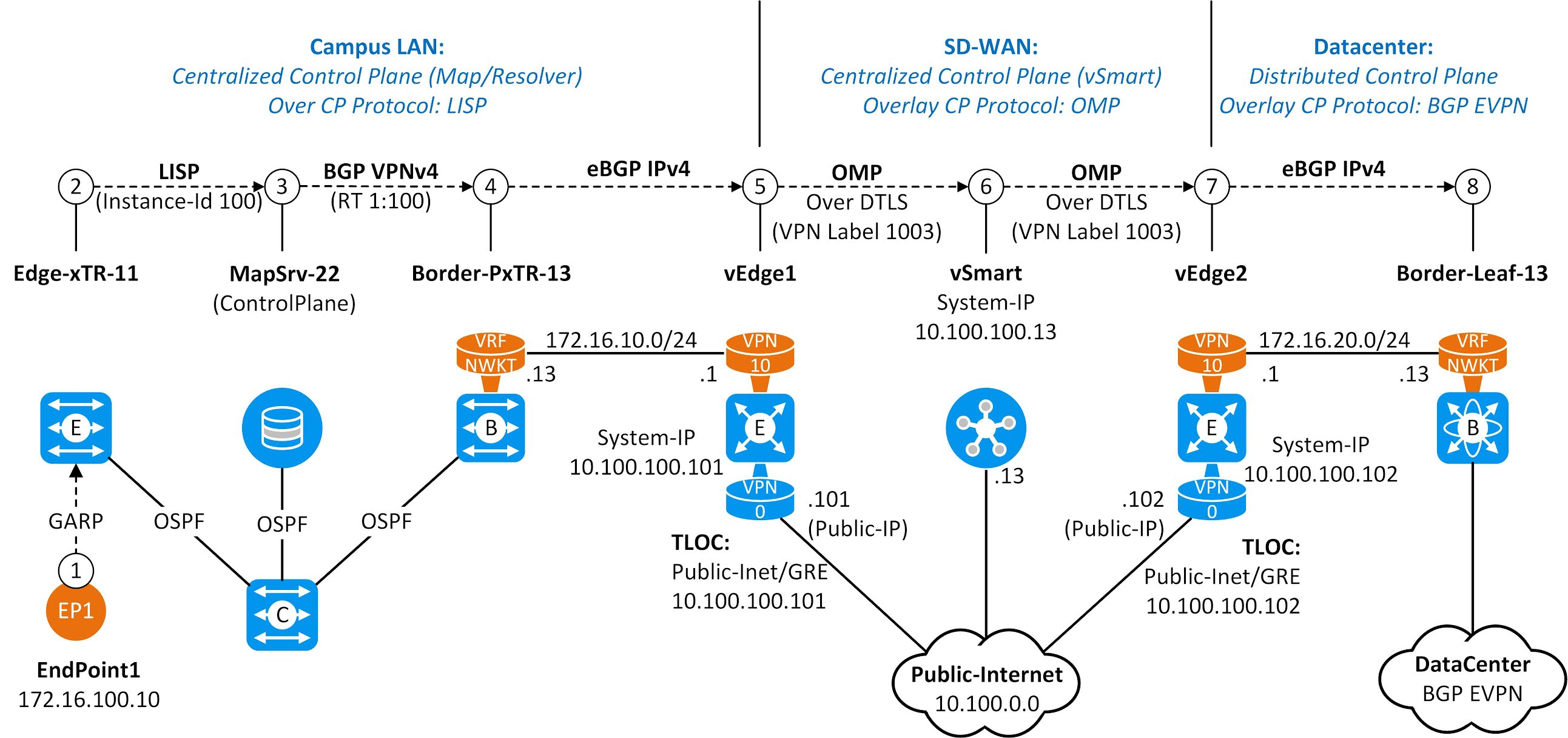
Figure 2-1: Overall Control-Plane Operation.
Continue reading
Network Break Quick Take – New Video Series
 New video series Network Break Quick Take
Crystal Notes: Arrays
Arrays in Crystal are an ordered collection of elements, generally of the same type. Although, it is possible to have an array of multiple types. Creating an array Iterating an Array Accessing Elements Array Operations Static Arrays If the size of an array is fixed it is much more...continue reading
Crystal Notes: Variables
Like most languages, variables in Crystal are defined with the = operator. Considerations Variable types are inferred by the compiler and do not have to be specifically defined. When a variable type is declared, it must be assigned a value before it can be accessed. There are no global...continue reading