The Facebook Breach: Some Lessons for the Internet
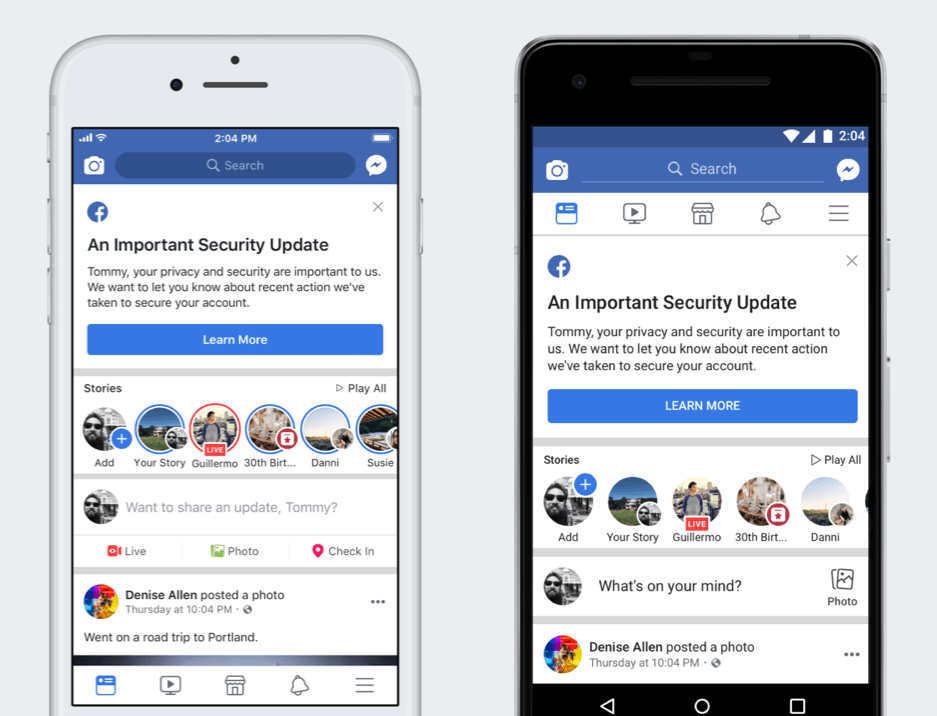
Last week Facebook found itself at the heart of a security breach that put at risk the personal information of millions of users of the social network.
On September 28, news broke that an attacker exploited a technical vulnerability in Facebook’s code that would allow them to log into about 50 million people’s accounts.
While Facebook was quick to address the exploit and fix it, they say they don’t know if anyone’s accounts actually were breached.
This breach follows the Cambridge Analytica scandal earlier this year that resulted in the serious mishandling of the data of millions of people who use Facebook.
Both of these events illustrate that we cannot be complacent about data security. Companies that hold personal and sensitive data need to be extra vigilant about protecting their users’ data.
Yet even the most vigilant are also vulnerable. Even a single security bug can affect millions of users, as we can see.
There are a few things we can learn from this that applies to the other security conversations: Doing security well is notoriously hard, and persistent attackers will find bugs to exploit, in this case a combination of three apparently unrelated ones on the Facebook platform.
This Continue reading
 Some in attendance at the computing giant's Ignite event thought that Azure innovation was lacking and that Google was a stronger long-term rival to AWS.
 This white box reference design is available to any hardware maker to use as a guide to build cell site gateway routers. And they can be paired with disaggregated software.
 Verizon is touting the fact that it is the first operator globally to deploy 5G, even though the service is based upon the company’s own 5G TF standard.
 Kurian's resignation comes less than a month after he announced that he was taking “extended time off” from Oracle.