Stuff The Internet Says On Scalability For July 13th, 2018
Hey, it's HighScalability time:
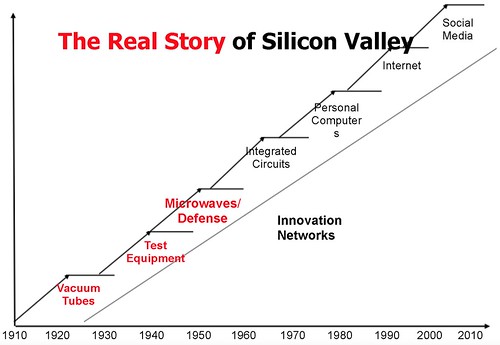
Steve Blank tells the Secret History of Silicon Valley. What a long, strange trip it is.
Do you like this sort of Stuff? Please lend me your support on Patreon. It would mean a great deal to me. And if you know anyone looking for a simple book that uses lots of pictures and lots of examples to explain the cloud, then please recommend my new book: Explain the Cloud Like I'm 10. They'll love you even more.
- $27 billion: CapEx invested by leading cloud vendors in first quarter of 2018; $40 billion: App store revenue in 10 years; $57.5 billion: venture investment first half of 2018; 1 billion: Utah voting system per day hack attempts; 67%: did not deploy a serverless app last year; $1.8 billion: made by Pokeman GO; $13 billion: Netflix's new content budget;
- Quotable Quotes:
- @davidbrunelle: The best developers and engineering leaders I've personally worked with do *not* have a notable presence on GitHub or public bodies of speaking or writing work. I worry that a lot of folks confuse celebrity and visibility with talent and ability.
- Bernard Continue reading


 Its vision is to replace the hardware, software, and services that operators have traditionally gotten from telecom vendors such as Cisco and Dell EMC.