SDxCentral Weekly News Roundup — October 14, 2016
 NoviFlow launched its vSwitch Offload system for optimizing the deployment of NFV.
Why Google’s Network Needs Five Controllers
 It's all about SDN and the path to Cloud 3.0.
The Many Paths to Carrier NFV
 Many operators view the shift to the telco cloud and NFV as a series of steps that require careful planning, not a wholesale rip-and-replace.
Game-Changing Questions to Ask Before You Deploy SDN
 Before you deploy SDN, consider asking these questions.
Ask Me About My Beez! A Look at NetBeez, 18 Months On.
I was first introduced to NetBeez at Networking Field Day 9, where I saw an interesting monitoring product using Raspberry Pi-based agents and a cloud-based management and reporting console. That was back in February 2015, but I met with NetBeez a second time at Networking Field Day 12 in September 2016. Eighteen months is plenty of time to make some significant updates, so I’m going to look at the current product from a capabilities perspective and also see how it works when using it in anger. As background it may be worth reading my review of NetBeez from June 2015 first.

NetBeez Overview
By way of a refresher, the NetBeez product is made of two parts:
- an Agent (aka a
Beez
, which always sounds odd to say becauseBeez
sounds like it should be the plural form of the noun); - a web management portal to which the agents send their data and from which the agents are managed and their uploaded data are analyzed.
The Agents
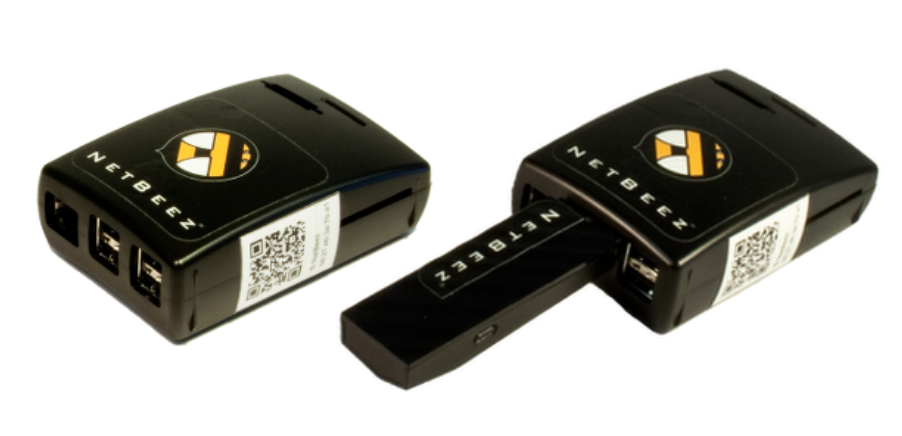
- FastEthernet – As I saw at NFD9, the FastEthernet Beez agent is a Raspberry Pi in a case with a NetBeez logo on it, and the micro-SD card slot is covered by Continue reading
Packet Blast: Top Tech Blogs, Oct. 14
We collect the top expert content in the infrastructure community and fire it along the priority queue
Transforming Enterprise Communications Infrastructure
Open unified communications and collaboration platforms can enable companies to evolve their legacy patchwork deployments.