The rise of multivector DDoS attacks

It's been a while since we last wrote about Layer 3/4 DDoS attacks on this blog. This is a good news - we've been quietly handling the daily onslaught of DDoS attacks. Since our last write-up, a handful of interesting L3/4 attacks have happened. Let's review them.
Gigantic SYN
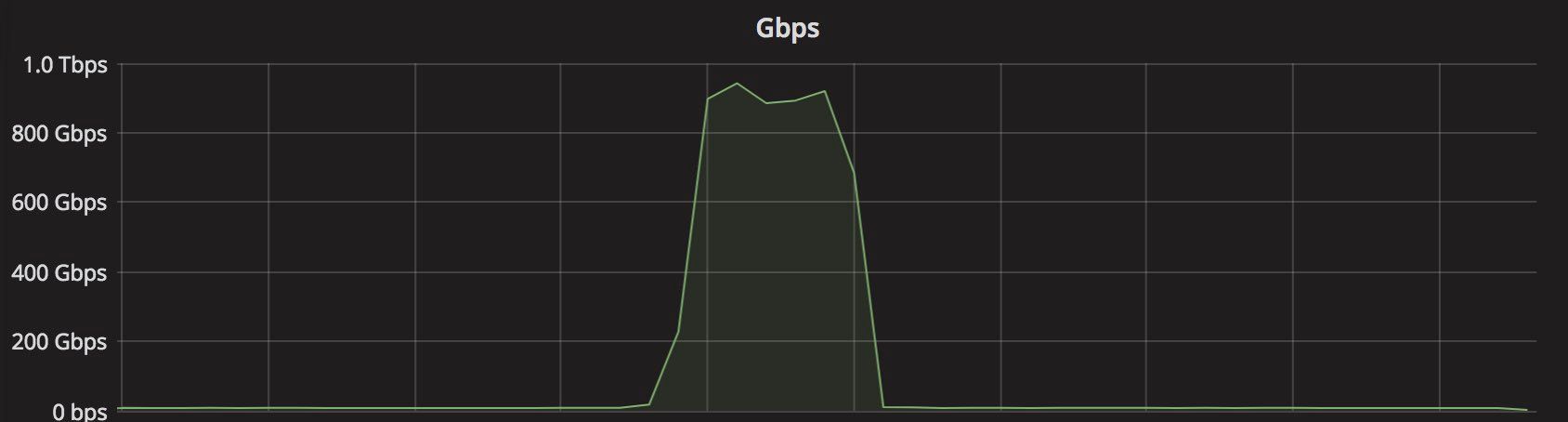
In April, John tweeted about a gigantic 942Gbps SYN flood:
It was a notable event for a couple of reasons.
First, it was really large. Previously, we've seen only amplification / reflection attacks at terabit scale. In those cases, the attacker doesn't actually have too much capacity. They need to bounce the traffic off other servers to generate a substantial load. This is different from typical "direct" style attacks, like SYN floods. In the SYN flood mentioned by John, all 942Gbps were coming directly from attacker-controlled machines.
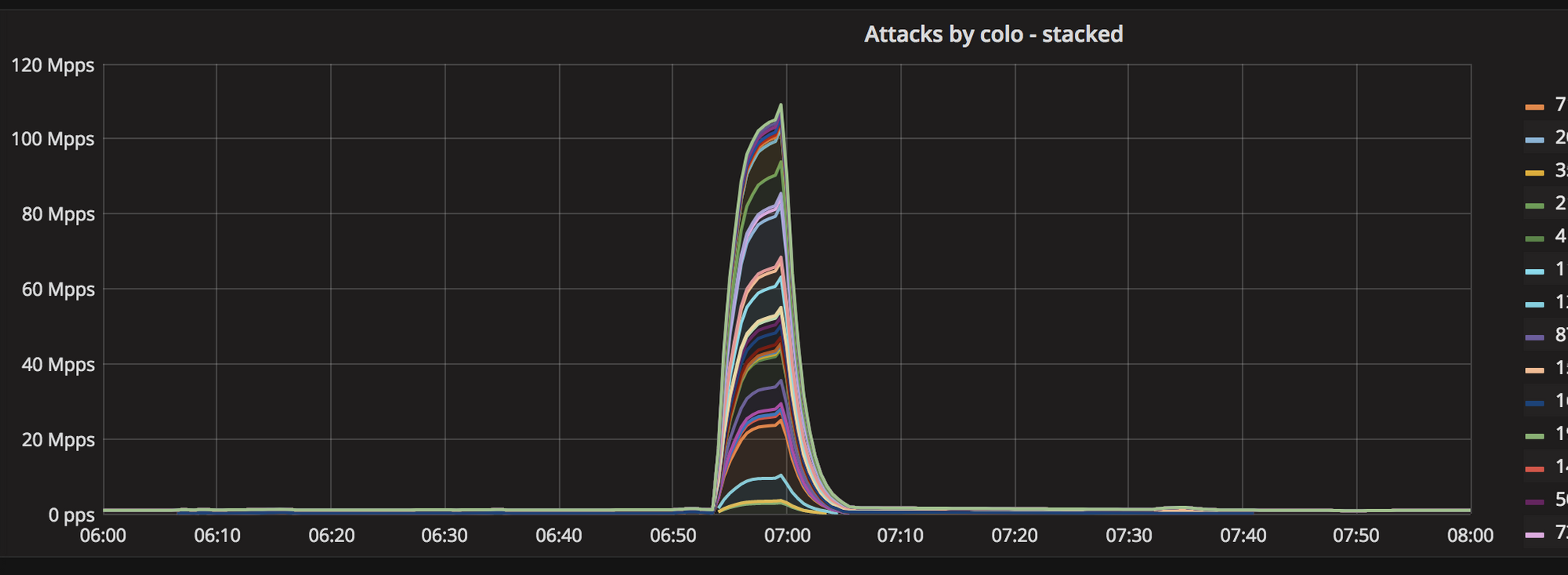
Secondly, this attack was truly distributed. Normal SYN floods come from a small number of geographical locations. This one, was all over the globe, hitting all Cloudflare data centers:

Thirdly, the attack seem to be partially spoofed. While our analysis was not conclusive, we saw random, spoofed source IP addresses in the largest internet exchanges. The above Hilbert curve shows the source IP Continue reading





 SDxCentral Weekly Wrap for Nov. 9, 2018: Cisco axes jobs; Verizon CEO Vestberg makes bold moves with restructuring; and more.
 What’s in a name? NetApp says its HCI is really hybrid cloud infrastructure (not hyperconverged), but it sounds more like composable.
 Xilinx is renown for its field programmable gate array (FPGA), which the company's founder invented. A purchase of Mellanox could give it additional products to sell into the data center.
 Alibaba Group’s CEO said that cloud computing will be its “main business” in the future — following closely in Amazon’s footsteps.
 Dish says it is building a neutral-host 5G network that customers can rent space on to deliver different types of services.