
IBM ‘Redeploys’ CFO, Reportedly Plans to Reassign 30% of Workforce
 The cuts will come from the Global Technology Services division.
Show 372: Kentik & Network Traffic Intelligence (Sponsored)
Today's Weekly Show is all about network traffic intelligence. Our sponsor is Kentik and we talk with CEO Avi Freedman about getting deep visibility for performance, DDoS detection & more. The post Show 372: Kentik & Network Traffic Intelligence (Sponsored) appeared first on Packet Pushers.

SDxCentral’s Weekly Roundup — January 11, 2018
 Huawei persists despite failures in U.S.; T-Mobile launches NB-IoT plan; Verizon acquires threat hunter.
Stuff The Internet Says On Scalability For January 12th, 2017
Hey, it's HighScalability time:

Whiskey still? Chandelier? Sky city? Nope, it's IBM's 50-qubit quantum computer. (engadget)
If you like this sort of Stuff then please support me on Patreon. And I'd appreciate your recommending my new book—Explain the Cloud Like I'm 10—to anyone who needs to understand the cloud (who doesn't?). I think they'll like it. Now with twice the brightness and new chapters on Netflix and Cloud Computing.
- 28.5 billion: PornHub visitors; 3 billion: computer chips have Spectre security hole; 75.8%: people incorrectly think private browsing is actually private; 380,000: streams needed to make minimum wage on Spotify; 30Gbps: throughput for servers in Azure using new network interface cards packing field-programmable gate arrays; 8 quadrillion calculations per second: new NOAA supercomputer; $2 billion: market cap for parody cryptocurrency dogecoin; $1 trillion: IoT spending by 2035; 100,000: IoT sensors monitor canal in China; 1,204: definitions for emo; 23 million: digits in largest prime number; 2.8%: decline in PC shipments;
- Quoteable Quotes:
- @Lee_Holmes: We owe a debt of gratitude to the unsung heroes of Spectre and Meltdown: the thousands of engineers that spent their Continue reading
Bringing a New HPC File System to Bear
File systems have never been the flashiest segment of the IT space, which might explain why big shakeups and new entrants into the market don’t draw the attention they could.
Established vendors have rolled out offerings that primarily are based on GPFS or Lustre and enterprises and HPC organizations have embraced those products. However, changes in the IT landscape in recent years have convinced some companies and vendors to rethink file servers. Such changes as the rise of large-scale analytics and machine learning, the expansion of HPC into more mainstream enterprises and the growth of cloud storage all have brought …
Bringing a New HPC File System to Bear was written by Jeffrey Burt at The Next Platform.
DNSFS. Store your files in others DNS resolver caches
DNSFS. Store your files in others DNS resolver caches
A while ago I did a blog post about how long DNS resolvers hold results in cache for, using RIPE Atlas probes testing against their default resolvers (in a lot of cases, the DNS cache on their m
Welcome Salt Lake City and Get Ready for a Massive Expansion


We just turned up Salt Lake City, Utah — Cloudflare's 120th data center. Salt Lake holds a special place in Cloudflare's history. I grew up in the region and still have family there. Back in 2004, Lee Holloway and I lived just up into the mountains in Park City when we built Project Honey Pot, the open source project that inspired the original idea for Cloudflare.
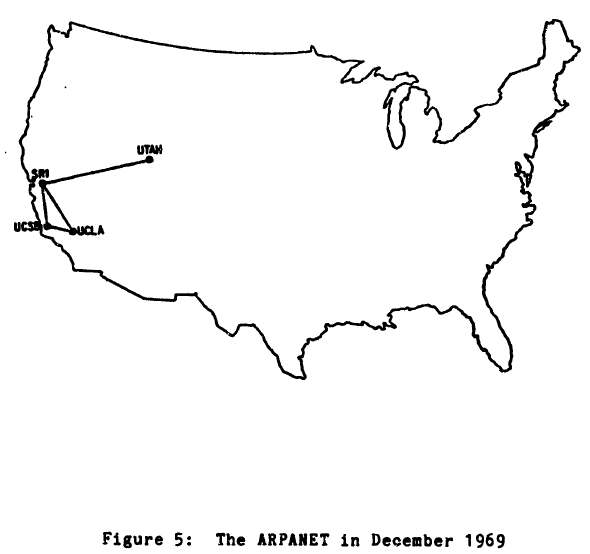
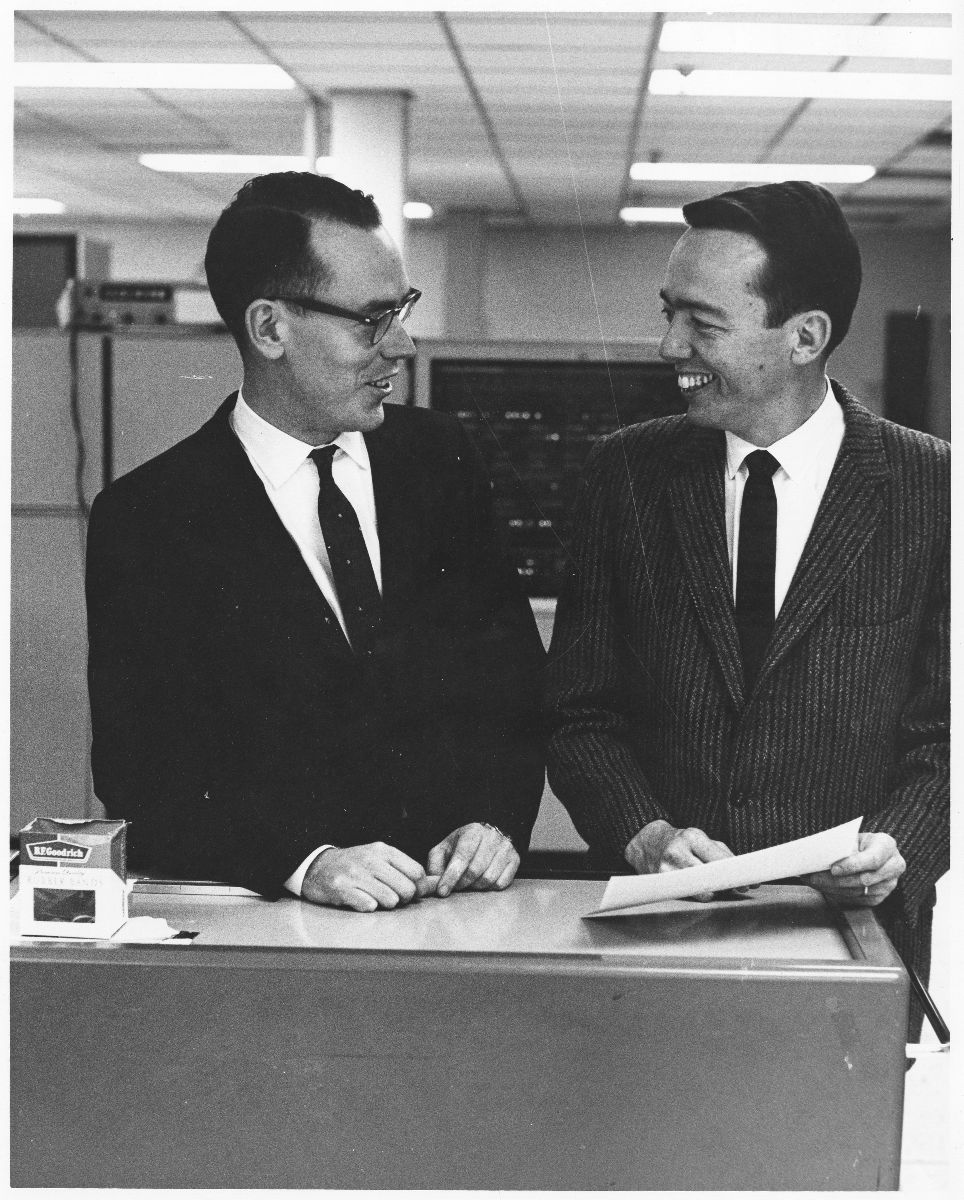
Salt Lake also holds a special place in the history of the Internet. The University of Utah, based there, was one of the original four Arpanet locations (along with UCLA, UC Santa Barbara, and the Stanford Research Institute). The school also educated the founders of great technology companies like Silicon Graphics, Adobe, Atari, Netscape, and Pixar. Many were graduates of the computer graphics department lead by Professors Ivan Sutherland and David Evans.
In 1980, when I was seven years old, my grandmother, who lived a few blocks from the University, gave me an Apple II+ for Christmas. I took to it like a duck to water. My mom enrolled in a continuing education computer course at the University of Utah teaching BASIC programming. I went with her to the classes. Unbeknownst to the Continue reading
Chipping Away At Technical Debt

We’re surrounded by technical debt every day. We have a mountain of it sitting in distribution closets and a yard full of it out behind the data center. We make compromises for budget reasons, for technology reasons, and for political reasons. We tell ourselves every time that this is the last time we’re giving in and the next time it’s going to be different. Yet we find ourselves staring at the landscape of technical debt time and time again. But how can we start chipping away at it?
Time Is On Your Side
You may think you don’t have any time to work on the technical debt problem. This is especially true if you don’t have the time due to fixing problems caused by your technical debt. The hours get longer and the effort goes up exponentially to get simple things done. But it doesn’t have to be that way.
Every minute you spend trying to figure out where a link goes or a how a server is connected to the rest of the pod is a minute that should have been spent documenting it somewhere. In a text document, in a picture, or even on the back of a Continue reading
Don’t Delete PCAP Files – Trim Them! – NETRESEC Blog

Nice tool for people who are crafting an artisanal logging system
