IBM Starts Walking The Hybrid Cloud And AI Talking
If Big Blue is going to talk the hybrid cloud and AI talk, as it seems to do incessantly, then the company has to walk it. …
IBM Starts Walking The Hybrid Cloud And AI Talking was written by Timothy Prickett Morgan at The Next Platform.
Taking a Slice Out of Private Wireless Networks
Network slicing and microslicing are two new approaches to ensuring QoS over enterprise private cellular networks, but they come with some distinct differences.ChatGPT Privacy: Understanding the Compliance Risks
Learn about the privacy risks associated with ChatGPT and how to ensure compliance with data protection regulations and avoid unethical biases when using it.Secure by default: recommendations from the CISA’s newest guide, and how Cloudflare follows these principles to keep you secure
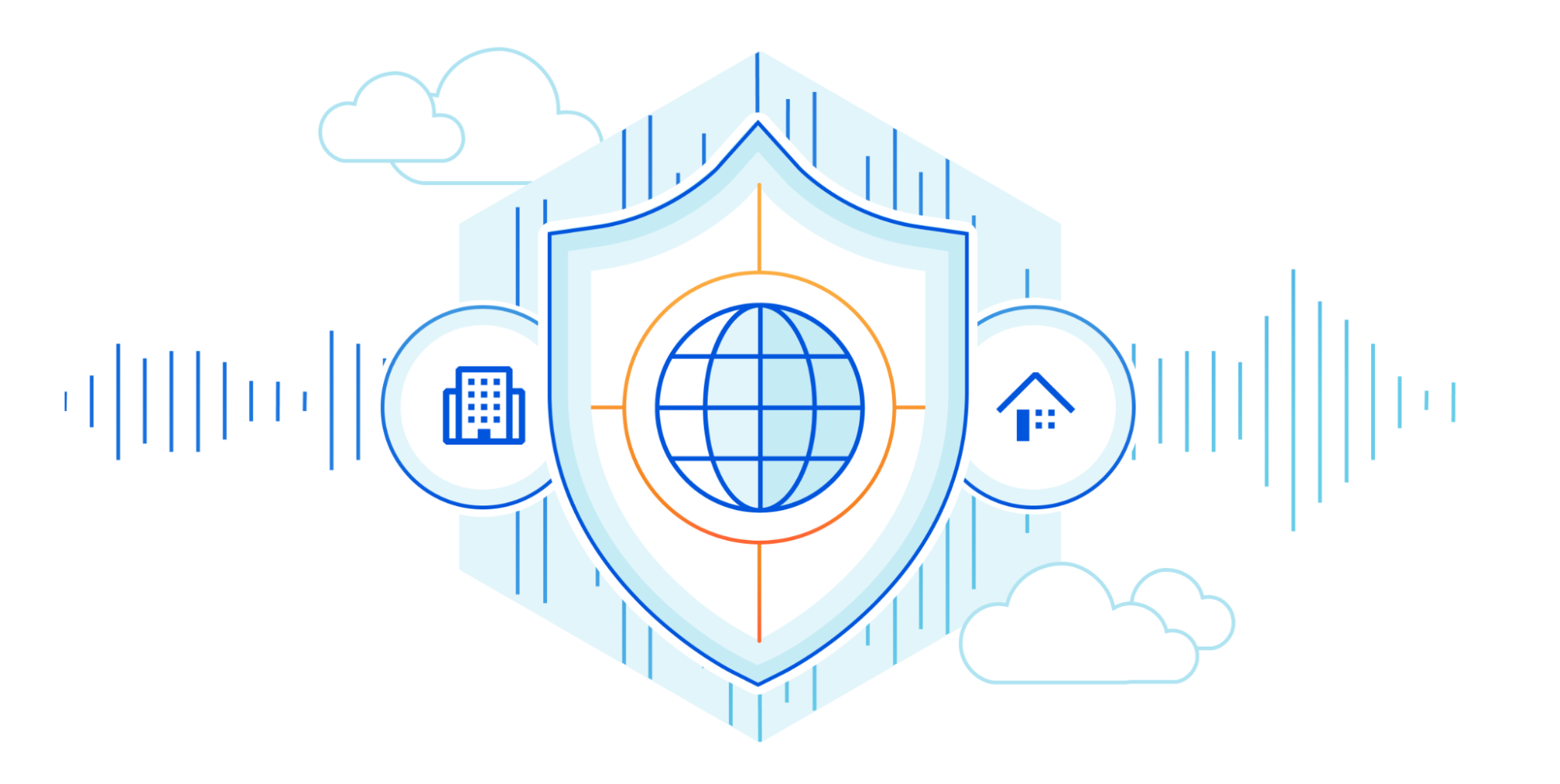
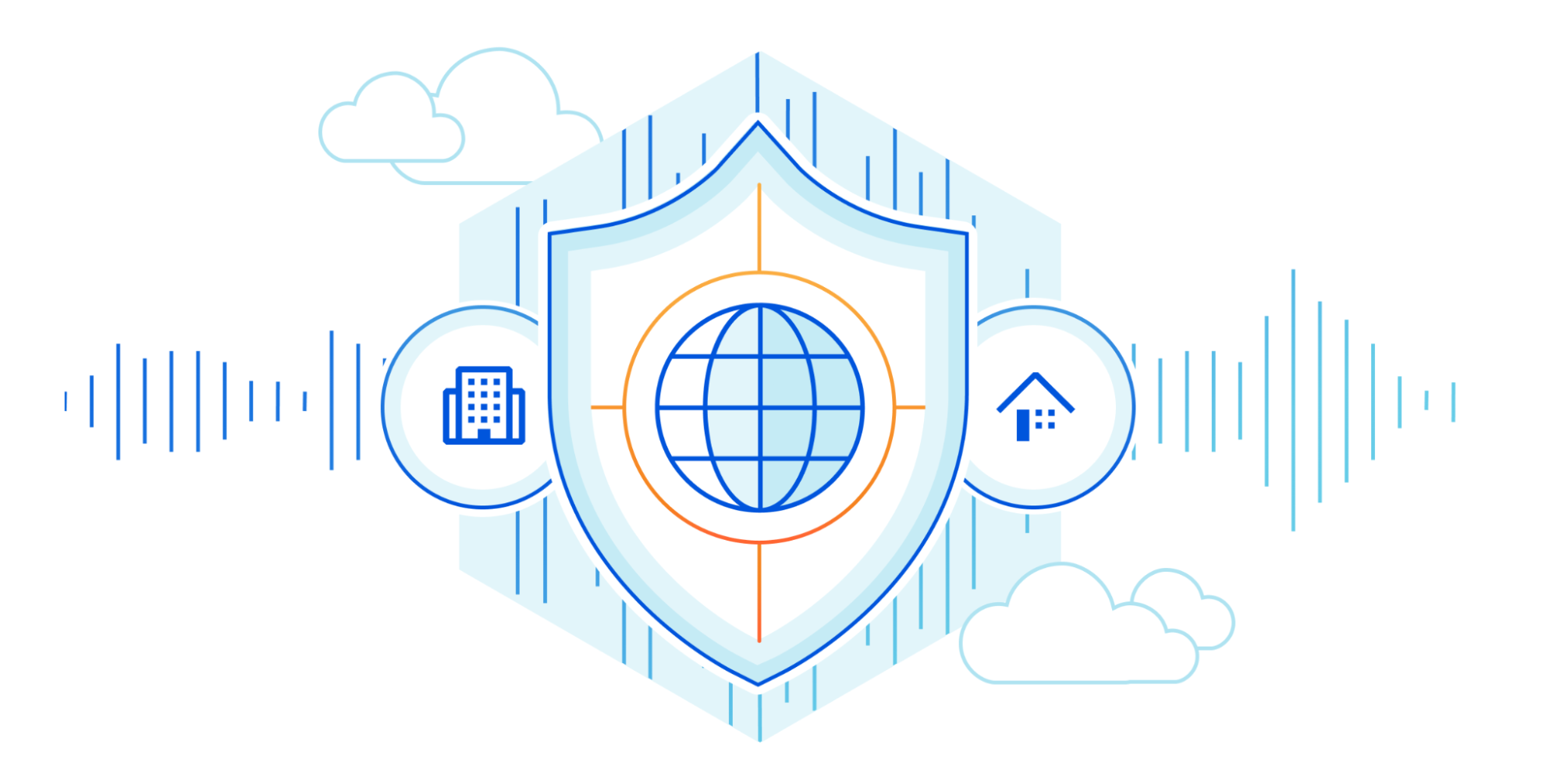
When you buy a new house, you shouldn’t have to worry that everyone in the city can unlock your front door with a universal key before you change the lock. You also shouldn’t have to walk around the house with a screwdriver and tighten the window locks and back door so that intruders can’t pry them open. And you really shouldn’t have to take your alarm system offline every few months to apply critical software updates that the alarm vendor could have fixed with better software practices before they installed it.
Similarly, you shouldn’t have to worry that when you buy a network discovery tool it can be accessed by any attacker until you change the password, or that your expensive hardware-based firewalls can be recruited to launch DDoS attacks or run arbitrary code without the need to authenticate.
This “default secure” posture is the focus of a recently published guide jointly authored by the Cybersecurity and Infrastructure Agency (CISA), NSA, FBI, and six other international agencies representing the United Kingdom, Australia, Canada, Germany, Netherlands, and New Zealand. In the guide, the authors implore technology vendors to follow Secure-by-Design and Secure-by-Default principles, shifting the burden of security as much Continue reading
Oxy: Fish/Bumblebee/Splicer subsystems to improve reliability
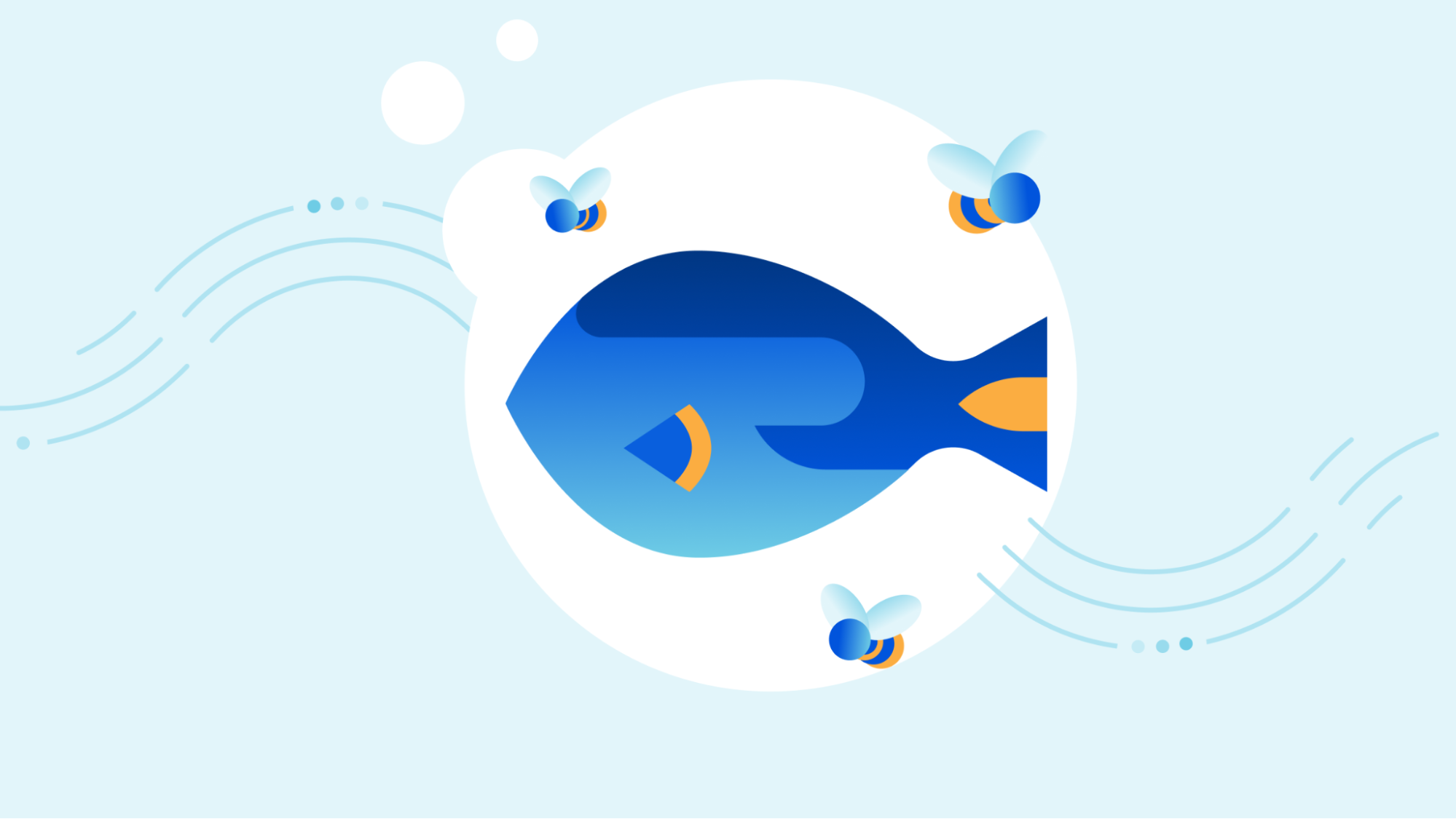
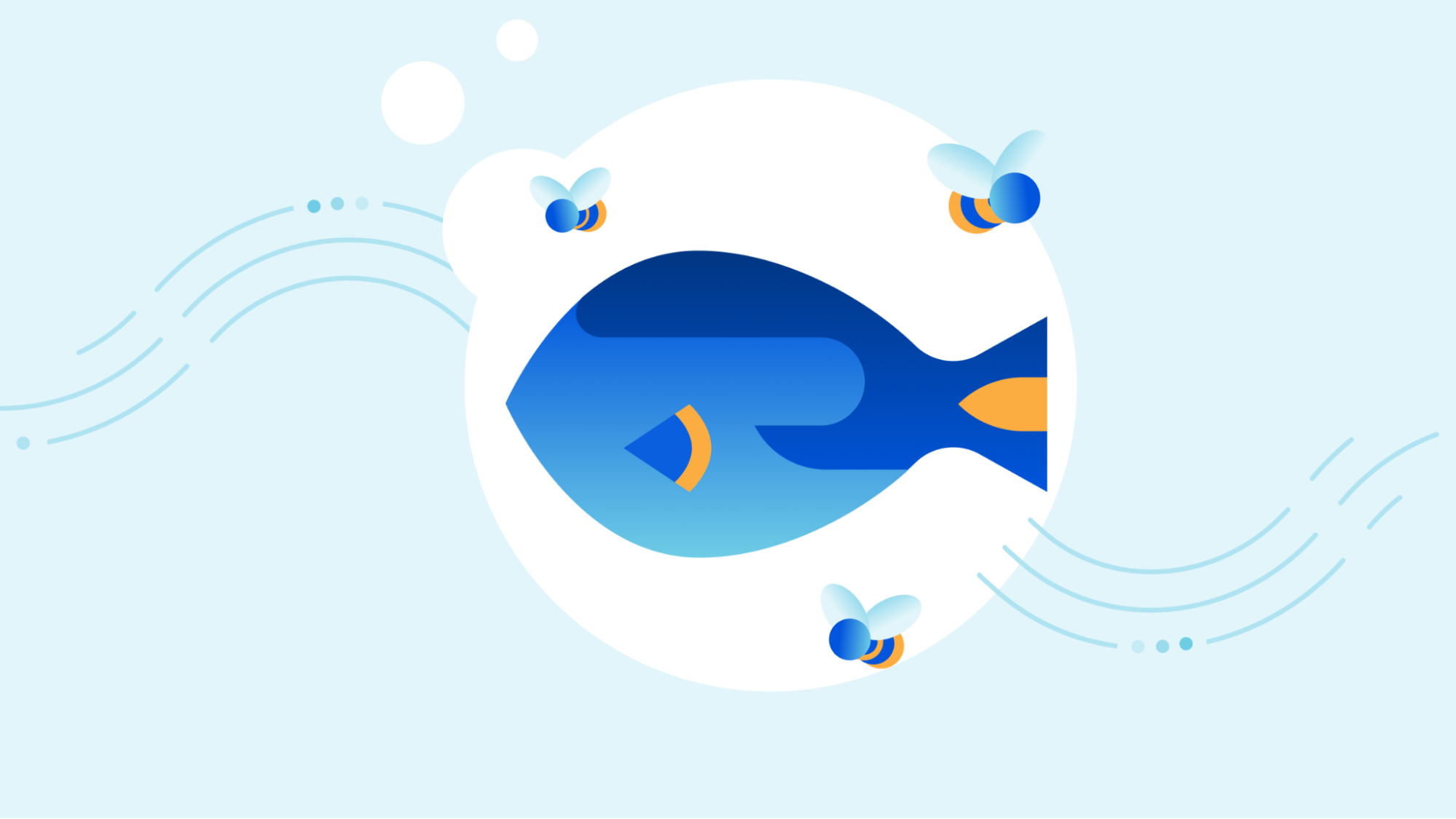
At Cloudflare, we are building proxy applications on top of Oxy that must be able to handle a huge amount of traffic. Besides high performance requirements, the applications must also be resilient against crashes or reloads. As the framework evolves, the complexity also increases. While migrating WARP to support soft-unicast (Cloudflare servers don't own IPs anymore), we needed to add different functionalities to our proxy framework. Those additions increased not only the code size but also resource usage and states required to be preserved between process upgrades.
To address those issues, we opted to split a big proxy process into smaller, specialized services. Following the Unix philosophy, each service should have a single responsibility, and it must do it well. In this blog post, we will talk about how our proxy interacts with three different services - Splicer (which pipes data between sockets), Bumblebee (which upgrades an IP flow to a TCP socket), and Fish (which handles layer 3 egress using soft-unicast IPs). Those three services help us to improve system reliability and efficiency as we migrated WARP to support soft-unicast.
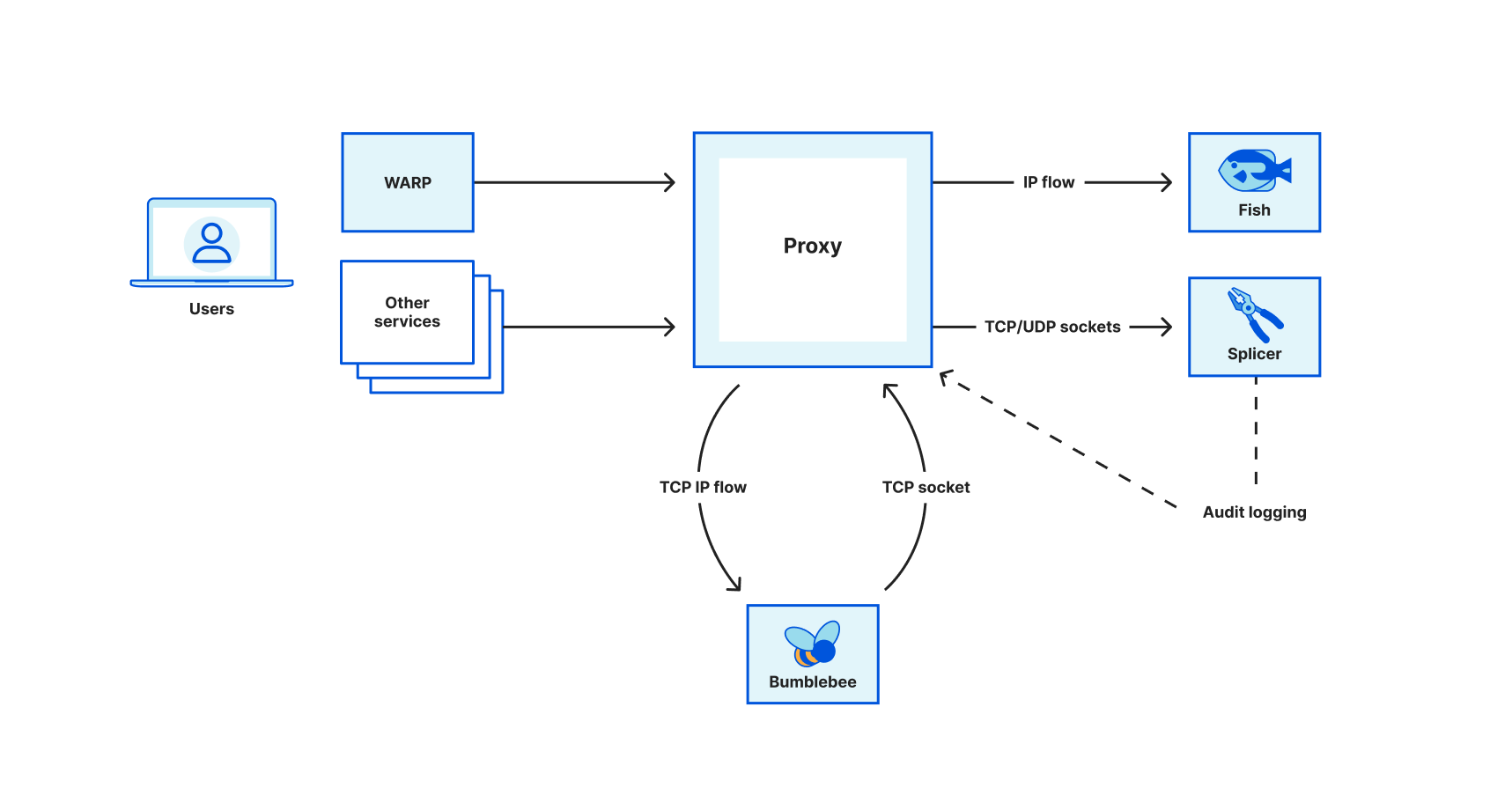
Splicer
Most transmission tunnels in our proxy forward packets without making any modifications. In other words, given Continue reading
Accelerating Chip Design With GPUs, And Adding AI To Push It Further
Two decades ago, all the chip makers, including Intel, had to buy Unix machines, usually massive ranks of Sparc/Solaris systems, to do electronic design automation to design and test their chip designs. …
Accelerating Chip Design With GPUs, And Adding AI To Push It Further was written by Jeffrey Burt at The Next Platform.
Multi-Vendor EVPN Fabrics
Daniel left an interesting comment on my Studying EVPN to Prepare for a Job Interview blog post:
I also never build a VXLAN fabric with two vendors. So, is it possible now to build one large fabric consisting of multiple vendors?
TL&DR: Yes, but just because you could doesn’t mean that you should.
Multi-Vendor EVPN Fabrics
Daniel left an interesting comment on my Studying EVPN to Prepare for a Job Interview blog post:
I also never build a VXLAN fabric with two vendors. So, is it possible now to build one large fabric consisting of multiple vendors?
TL&DR: Yes, but just because you could doesn’t mean that you should.
Things Change. Some New content.
Once again it has been awhile. But I wanted to get some new content out. This year I was elected as a member of the board for WAA. Part of my time on the board will include writing articles for our membership. From the second I heard this I knew what I wanted to do. …Nuclear Weapons Drove Supercomputing, And May Now Drive It Into The Clouds
If the HPC community didn’t write the Comprehensive Nuclear Test Ban Treaty of 1996, it would have been necessary to invent it. …
Nuclear Weapons Drove Supercomputing, And May Now Drive It Into The Clouds was written by Timothy Prickett Morgan at The Next Platform.
Day Two Cloud 191: Modernizing Cloud Security And Optimizing Costs With Jo Peterson
Today's Day Two Cloud delves into cloud security and cloud cost optimization for SaaS and public clouds. Our guest is Jo Peterson. On the security front, we compare and contrast traditional on-prem and cloud security challenges, explore the shared responsibility model of cloud security, and more. For cost optimization we discuss the growing concern about cloud costs, why optimization tools still need humans, tips for tracking multicloud spending, and more.Day Two Cloud 191: Modernizing Cloud Security And Optimizing Costs With Jo Peterson
Today's Day Two Cloud delves into cloud security and cloud cost optimization for SaaS and public clouds. Our guest is Jo Peterson. On the security front, we compare and contrast traditional on-prem and cloud security challenges, explore the shared responsibility model of cloud security, and more. For cost optimization we discuss the growing concern about cloud costs, why optimization tools still need humans, tips for tracking multicloud spending, and more.
The post Day Two Cloud 191: Modernizing Cloud Security And Optimizing Costs With Jo Peterson appeared first on Packet Pushers.
New Zayo Submarine Cable Adds Faster, Redundant US–UK Route
Amid growing threats from bad actors, geopolitics, and climate change, Zayo Group announces a new submarine cable route between New York and Manchester.Where’s the Fish?
“Life is Good” has this great shirt I have a few of – “WTF: Where’s the Fish?” It is actually a question I get asked a lot. Where did I go? Where are my blogs? Where are my YouTubes? Where... Read More ›
The post Where’s the Fish? appeared first on Networking with FISH.