I promised you a blog post explaining the intricacies of implementing MLAG with EVPN, but (as is often the case) it’s taking longer than expected. In the meantime, enjoy the EVPN Multihoming Taxonomy and Overview video from Lukas Krattiger’s EVPN Multihoming versus MLAG presentation (part of EVPN Deep Dive webinar).
If there is one thing that is consistently true about HPC clusters for the past thirty years and for AI training systems for the past decade, it is as workloads grow, the network becomes increasingly important – and perhaps as important as packing as much flops in a node as physically and thermally makes sense. …
The Iron That Will Drive AI At Meta Platforms was written by Timothy Prickett Morgan at The Next Platform.
In this episode of IPv6 Buzz, Ed, Scott, and Tom speak with XiPeng Xiao, the new chair of the IETF v6ops working group. We discuss the lastest work in IPv6 at the IETF, whether the IETF should have a role in promoting v6 in the enterprise, and more.
The post IPv6 Buzz 112: What’s New With IPv6 At The IETF? appeared first on Packet Pushers.
If you advertise routes through a provider to the global Internet, you might be wondering if you should go through the trouble of registering in the RPKI and advertising ROAs. What is the tradeoff for the work involved in what seems like a complex process? Cecelia Testart joins Jeremy White and Russ White to discuss recent work in measuring the value of the RPKI.

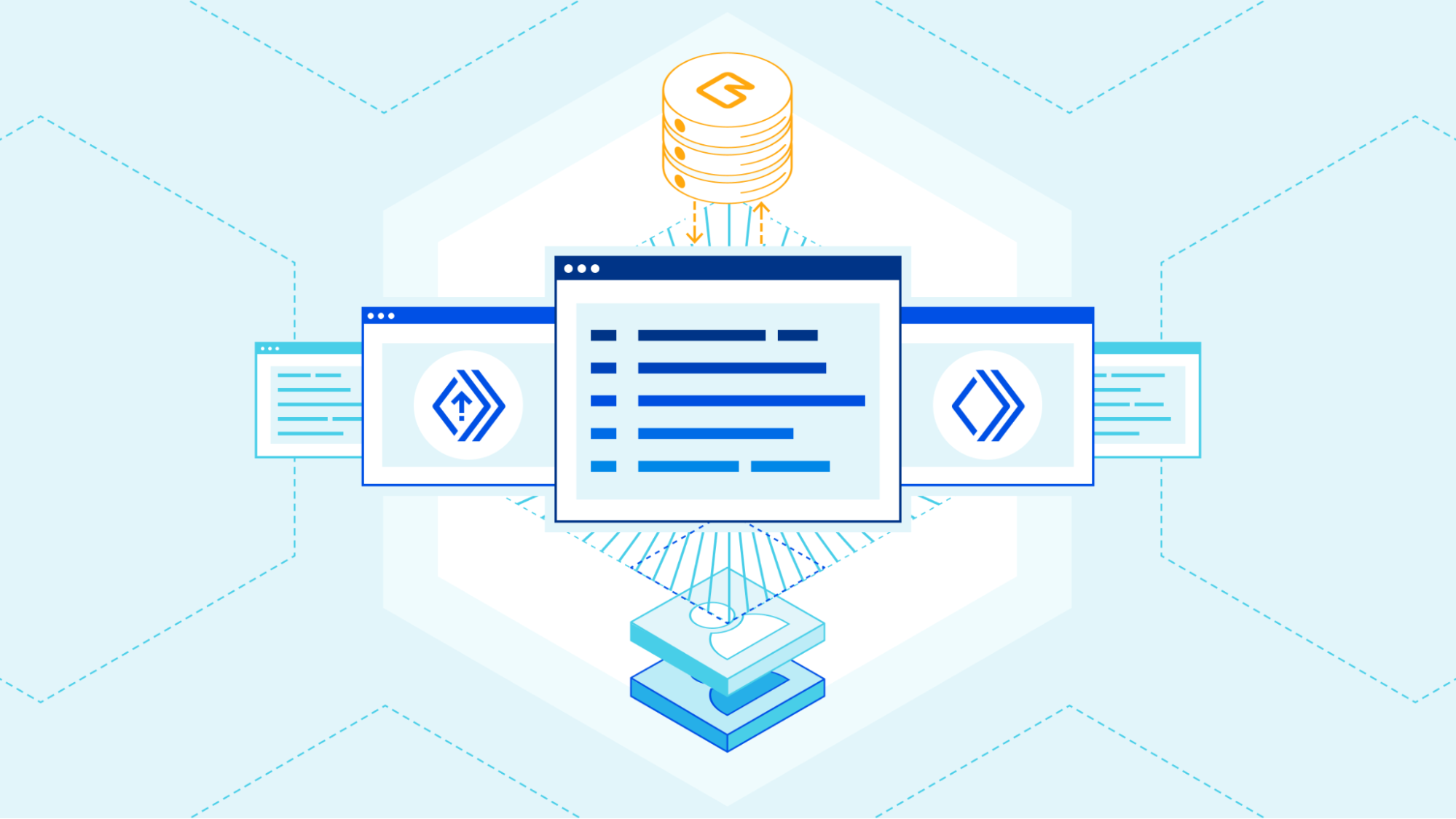
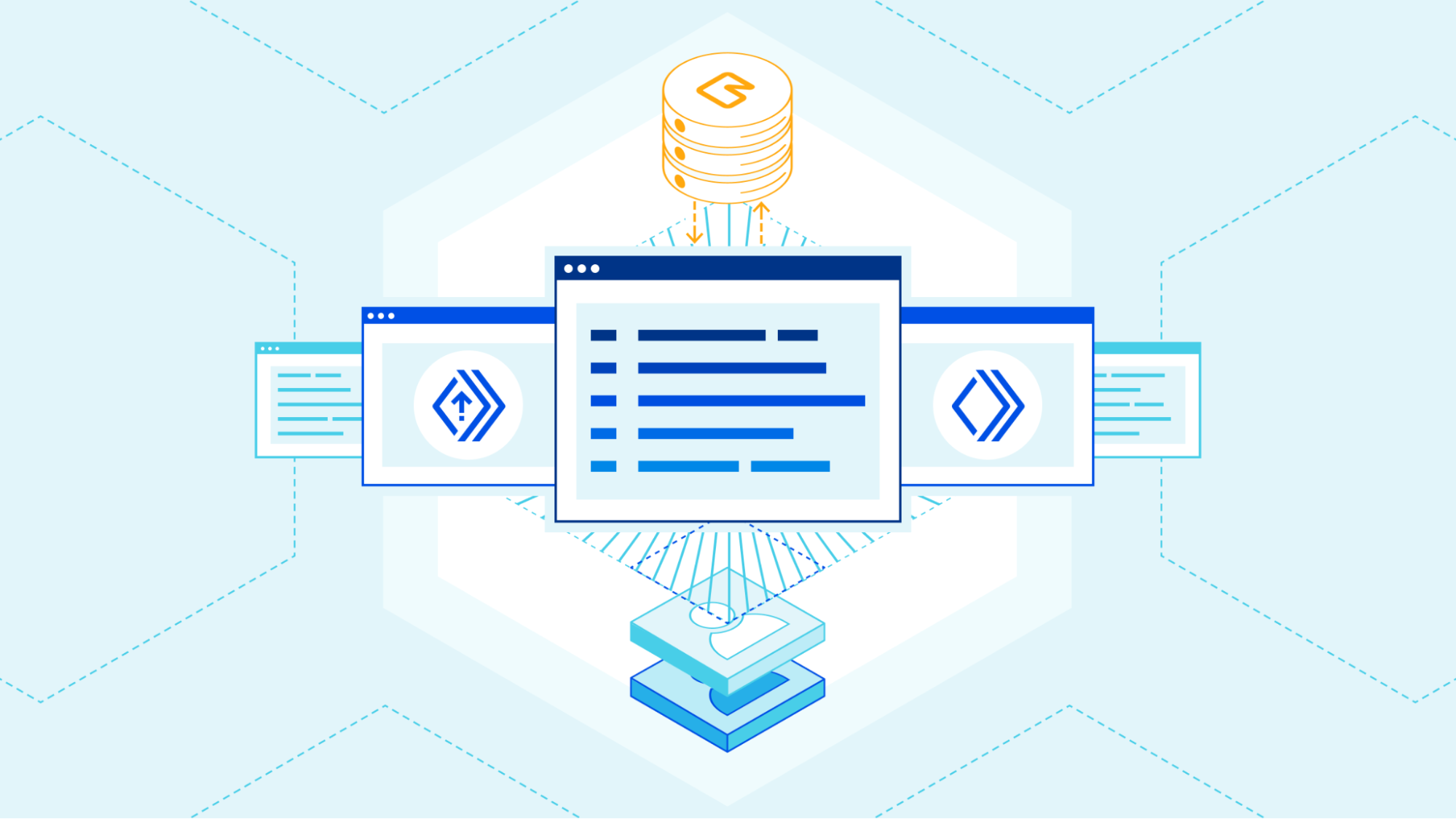
To help developers build better web applications we researched and devised a fragments architecture to build micro-frontends using Cloudflare Workers that is lightning fast, cost-effective to develop and operate, and scales to the needs of the largest enterprise teams without compromising release velocity or user experience.
Here we share a technical overview and a proof of concept of this architecture.
One of the challenges of modern frontend web development is that applications are getting bigger and more complex. This is especially true for enterprise web applications supporting e-commerce, banking, insurance, travel, and other industries, where a unified user interface provides access to a large amount of functionality. In such projects it is common for many teams to collaborate to build a single web application. These monolithic web applications, usually built with JavaScript technologies like React, Angular, or Vue, span thousands, or even millions of lines of code.
When a monolithic JavaScript architecture is used with applications of this scale, the result is a slow and fragile user experience with low Lighthouse scores. Furthermore, collaborating development teams often struggle to maintain and evolve their parts of the application, as their fates are tied with fates of all the other Continue reading