


Show 266: Exploring Riverbed SD-WAN And Project Tiger (Sponsored)
Riverbed’s Hansang Bae, Josh Dobies, and Kevin Glavin discuss how an application-centric approach to SD-WAN puts IT at the forefront of business innovation. And get an in-depth preview of Project Tiger, Riverbed’s engineering effort that will dramatically simplify how IT manages hybrid WANs.
The post Show 266: Exploring Riverbed SD-WAN And Project Tiger (Sponsored) appeared first on Packet Pushers.
Show 266: Exploring Riverbed SD-WAN And Project Tiger (Sponsored)
Riverbed’s Hansang Bae, Josh Dobies, and Kevin Glavin discuss how an application-centric approach to SD-WAN puts IT at the forefront of business innovation. And get an in-depth preview of Project Tiger, Riverbed’s engineering effort that will dramatically simplify how IT manages hybrid WANs.
The post Show 266: Exploring Riverbed SD-WAN And Project Tiger (Sponsored) appeared first on Packet Pushers.
Tools for debugging, testing and using HTTP/2
With CloudFlare's release of HTTP/2 for all our customers the web suddenly has a lot of HTTP/2 connections. To get the most out of HTTP/2 you'll want to be using an up to date web browser (all the major browsers support HTTP/2).
But there are some non-browser tools that come in handy when working with HTTP/2. This blog post starts with a useful browser add-on, and then delves into command-line tools, load testing, conformance verification, development libraries and packet decoding for HTTP/2.
If you know of something that I've missed please write a comment.
Browser Indicators
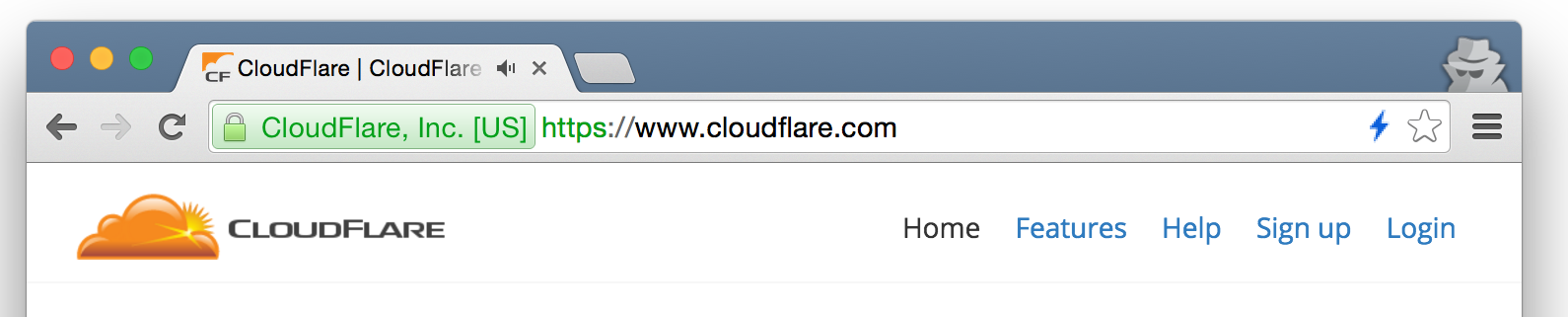
For Google Chrome there's a handy HTTP/2 and SPDY Indicator extension that adds a colored lightning bolt to the browser bar showing the protocol being used when a web page is viewed.
The blue lightning bolt shown here indicates that the CloudFlare home page was served using HTTP/2:
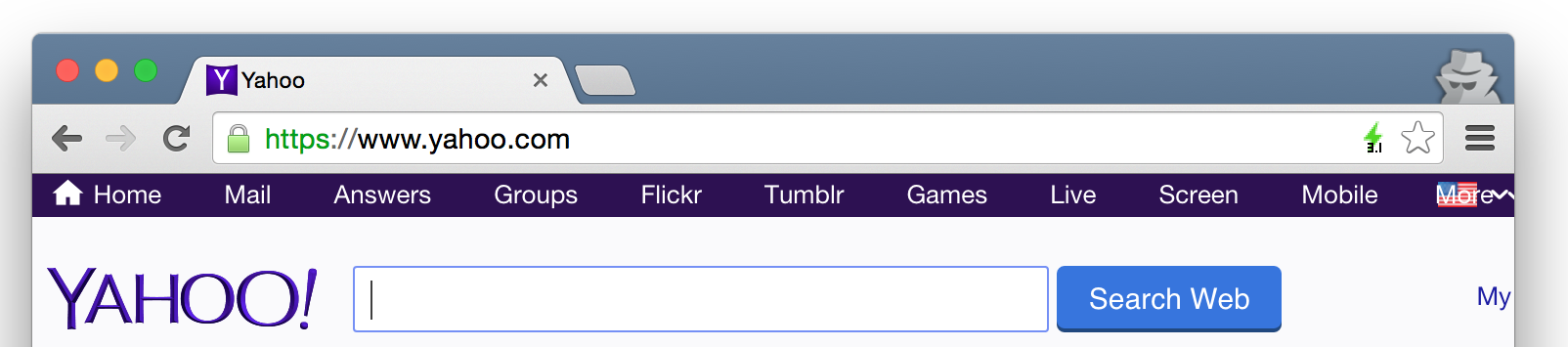
A green lightning bolt indicates the site was served using SPDY and gives the SPDY version number. In this case SPDY/3.1:
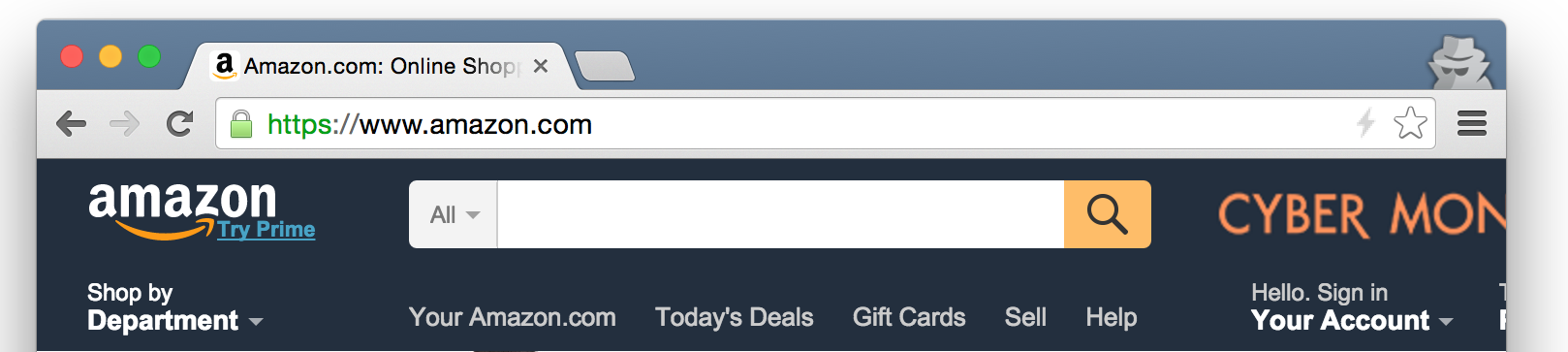
A grey lightning bolt indicates that neither HTTP/2 no SPDY were used. Here the web page was served using HTTP/1.1.
There's a similar extension for Firefox.
Online testing
There's also a handy online Continue reading
SD-WAN: Streamlining Branch Office Connectivity
Traditional WANs are expensive and complex. Enterprises can tackle the problem by extending SDN from the data center to the WAN.What Data Centers Can Learn From The Military
Hyperscale innovators are driving technology today in the way that NASA and the military introduced new capabilities decades ago, but some principles remain the same.Why Do We Need VXLAN (and What Is It)?
Do you need VXLAN in your data center or could you continue using traditional bridging? Do layer-2 fabrics make sense or are they a dead end in the evolution of virtual networking?
I tried to provide a few high-level answers in the Introduction to VXLAN video which starts the VXLAN Technical Deep Dive webinar. The public version of the video is now available on ipSpace.net Free Content web site.
Network Automation with Ansible – Dynamically Configuring Interface Descriptions
It’s been a while since my last post, but let’s hope that changes with the flurry of posts planned for this month. Most of my recent time has been spent traveling and teaching courses that cover how to use Python and Ansible for Network Automation. I’ve written about many of these concepts in the past, but to re-iterate what I’ve been saying, and what I’ve written in the past, it’s crucial to start small when it comes to automation (otherwise it’s easy to feel overwhelmed trying to automate everything and then you never make any real progress). By starting small, you can get a quick win, and can gradually expand from there. In this post, I’m going to review one very small example of how to use Ansible for network automation. We’ll review how to use Ansible to dynamically configure interface descriptions populated with real-time LLDP neighbor information. While this post focuses on Cisco Nexus switches, note that the same approach can be used for any vendor.
The process that we’ll be using to auto-configure the interface descriptions is a three-step process:
1. Discover the device
While we are only using Cisco switches in this example, we still go through Continue reading
Artificial Intelligence Handles Phone Calls for NTT
 NTT also announced a reseller partnership with Hewlett Packard Enterprise.
Vapor IO Scores First Round of Funding
 The investors include Goldman Sachs and AVX Partners, but the amount is unknown.
Talligent Launches New Version of Cloud Management Software
 The uptick in OpenStack deployments is feeding the need for better management tools.