Is Hype the Real 5G Use Case?
 I lived through the 3G and 4G hype but I don’t remember the breadth of hype being quite as insane as it is for 5G.
I lived through the 3G and 4G hype but I don’t remember the breadth of hype being quite as insane as it is for 5G.
Carpenters always remember one simple piece of advice when they are working on a job: Measure twice, cut once. It’s a little different in networking, though. In our industry, my advice is the following: Measure many times, but never cut. @Search Networking
 Both vendors have scored significant 5G deals with all of the major U.S. operators but are not afraid to throw shade at each other.
 South Korean operator SK Telecom picked these three equipment vendors for its 5G deployment. The company plans to launch 5G in the first half of 2019.
 The hyperconverged infrastructure system is designed for edge deployments. It includes automated virtualization, compute, storage, and power management resources, along with built-in redundancy.
Today on the Edge release channels, we released a new beta version of Docker Desktop, the product formerly known as Docker for Windows and Docker for Mac. You can download this new Edge release for both Windows and macOS. Docker Desktop enables you to start coding and containerizing in minutes and is the easiest way to run Docker Engine, Docker Swarm and Kubernetes on Mac and Windows. In addition to simple setup, Docker Desktop also includes other great features and capabilities such as:
You may have already noticed the new Docker Desktop name on www.docker.com, and over the next few months we Continue reading

The Internet is an amazing invention. We marvel at how it connects people, connects ideas, and makes the world smaller. But the Internet isn’t perfect. It was put together piecemeal through publicly funded research, private investment, and organic growth that has left us with an imperfect tapestry. It’s also evolving. People are constantly developing creative applications and finding new uses for existing Internet technology. Issues like privacy and security that were afterthoughts in the early days of the Internet are now supremely important. People are being tracked and monetized, websites and web services are being attacked in interesting new ways, and the fundamental system of trust the Internet is built on is showing signs of age. The Internet needs an upgrade, and one of the tools that can make things better, is cryptography.
Every day this week, Cloudflare will be announcing support for a new technology that uses cryptography to make the Internet better. Everything we are announcing this week is free to use and provides a meaningful step towards supporting a new capability or structural reinforcement. So why are we doing this? Because it’s good for the users and good for the Internet. Welcome to Crypto Week!


Today we’re excited to introduce Cloudflare’s IPFS Gateway, an easy way to access content from the InterPlanetary File System (IPFS) that doesn’t require installing and running any special software on your computer. We hope that our gateway, hosted at cloudflare-ipfs.com, will serve as the platform for many new highly-reliable and security-enhanced web applications. The IPFS Gateway is the first product to be released as part of our Distributed Web Gateway project, which will eventually encompass all of our efforts to support new distributed web technologies.
This post will provide a brief introduction to IPFS. We’ve also written an accompanying blog post describing what we’ve built on top of our gateway, as well as documentation on how to serve your own content through our gateway with your own custom hostname.

Usually, when you access a website from your browser, your browser tracks down the origin server (or servers) that are the ultimate, centralized repository for the website’s content. It then sends a request from your computer to that origin server, wherever it is in the world, and that server sends the content back to your computer. This system has served the Internet well for decades, Continue reading
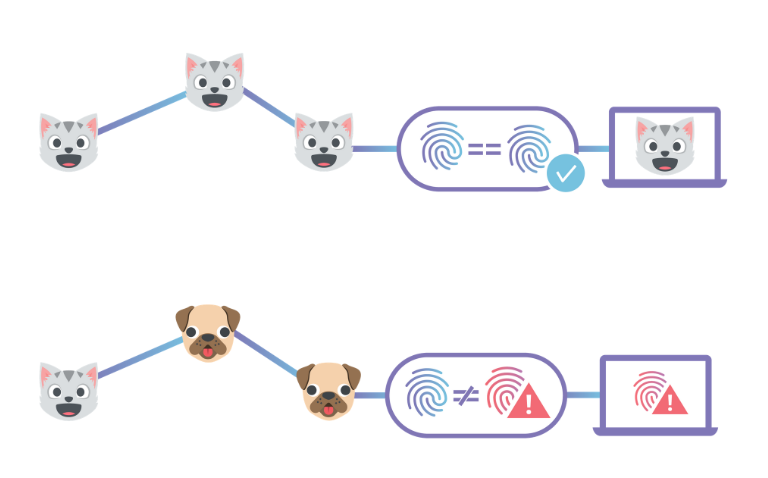
This post describes how to use Cloudflare's IPFS gateway to set up a website which is end-to-end secure, while maintaining the performance and reliability benefits of being served from Cloudflare’s edge network. If you'd rather read an introduction to the concepts behind IPFS first, you can find that in our announcement. Alternatively, you could skip straight to the developer docs to learn how to set up your own website.
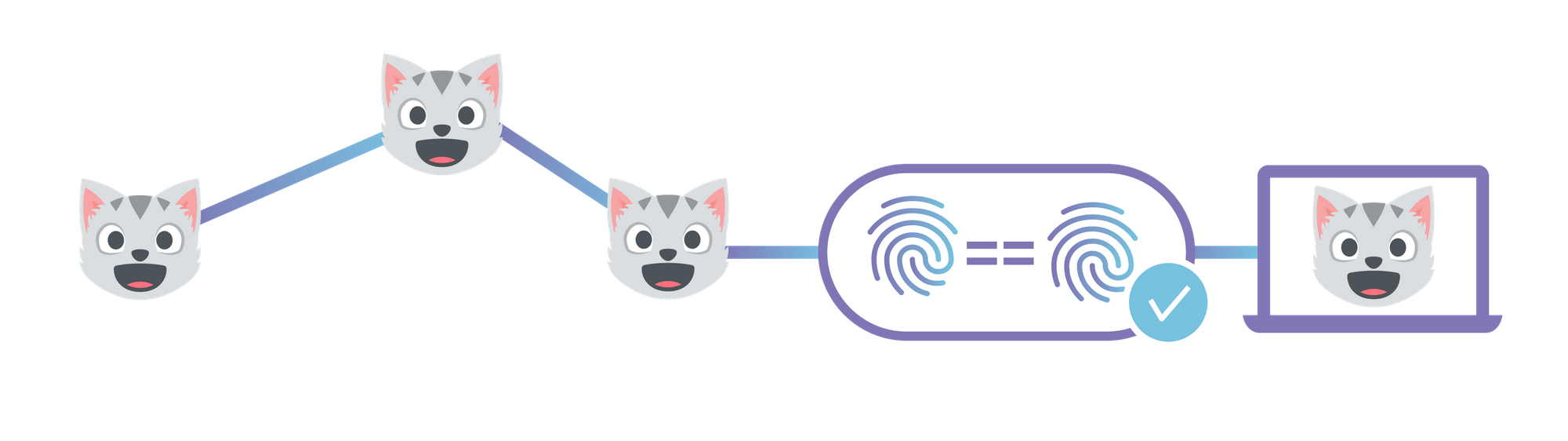
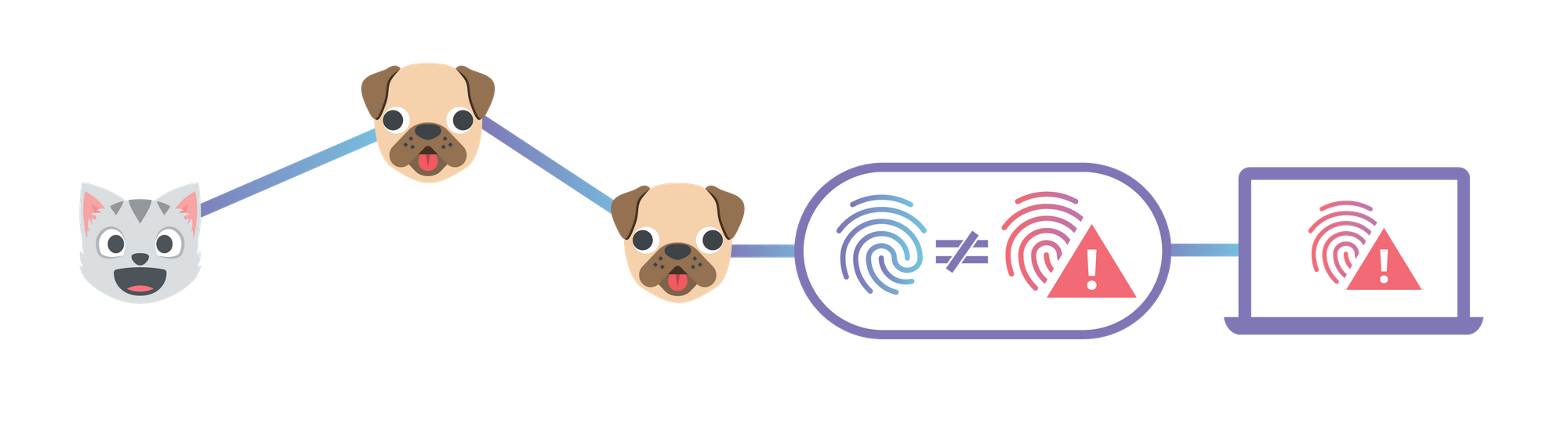
By 'end-to-end security', I mean that neither the site owner nor users have to trust Cloudflare to serve the correct documents, like they do now. This is similar to how using HTTPS means you don't have to trust your ISP to not modify or inspect traffic.
The first step is to choose a domain name for your website. Websites should be given their own domain name, rather than served directly from the gateway by root hash, so that they are considered a distinct origin by the browser. This is primarily to prevent cache poisoning, but there are several functional advantages as well. It gives websites their own instance of localStorage and their own cookie jar which are sandboxed from inspection and manipulation by malicious third-party documents. Continue reading

Fight against fakes: Facebook plans to fact-check videos and photos posted on the social media platform in an effort to combat misinformation, reports the Associated Press on SeattleTimes.com. Fact-checkers will use several methods, including analyzing image metadata, to determine accuracy, and Facebook will label photos and videos that are fakes, the company said.
Regulating IoT: A controversial Internet of Things security bill has passed the California legislature, ZDNet reports. The bill requires IoT device makers to build in “reasonable security,” but the legislation is vague about what that might entail, critics say. Still, it’s the first bill passed in the U.S. that addresses IoT security.
Fake reports of fake news law’s demise: Malaysia’s opposition party has blocked efforts to repeal a controversial law that penalizes the spread of fake news, StraitsTimes.com reports. Critics say the law, which includes penalties of up to six years in prison for spreading misleading information, is an attack on free speech, but the Senate blocked the repeal in a challenge to the new government of Prime Minister Mahathir Mohamad.
Angry Birds tackles blockchain: We’ve talked about a lot of potential uses of blockchain technology here, but this is a new one. The Continue reading
 The SDN company hired Cisco's Avinash Parwaney as VP of engineering.
The revelations by Google’s Project Zero team earlier this year of the Spectre and Meltdown speculative execution vulnerabilities in most of processors that have powered servers and PCs for the past couple of decades shook the industry as Intel and other chip makers scrambled to mitigate the risk of the threats in the short term and then implement plans to incorporate the mitigation techniques into future versions of the silicon. …
Trading Off Security And Performance Thanks To Spectre And Meltdown was written by Jeffrey Burt at .
A brief review of some new Cisco Nexus features you may have missed hearing about.
