Use Snowflake with R2 to extend your global data lake


R2 is the ideal object storage platform to build data lakes. It’s infinitely scalable, highly durable (eleven 9's of annual durability), and has no egress fees. Zero egress fees mean zero vendor lock-in. You are free to use the tools you want to get the maximum value from your data.
Today we’re excited to announce our partnership with Snowflake so that you can use Snowflake to query data stored in your R2 data lake and load data from R2 into Snowflake. Organizations use Snowflake's Data Cloud to unite siloed data, discover, and securely share data, and execute diverse analytic workloads across multiple clouds.
One challenge of loading data into Snowflake database tables and querying external data lakes is the cost of data transfer. If your data is coming from a different cloud or even different region within the same cloud, this typically means you are paying an additional tax for each byte going into Snowflake. Pairing R2 and Snowflake lets you focus on getting valuable insights from your data, without having to worry about egress fees piling up.
Getting started
Sign up for R2 and create an API token
If you haven’t already, you’ll need to sign up for R2 Continue reading
Announcing connect() — a new API for creating TCP sockets from Cloudflare Workers
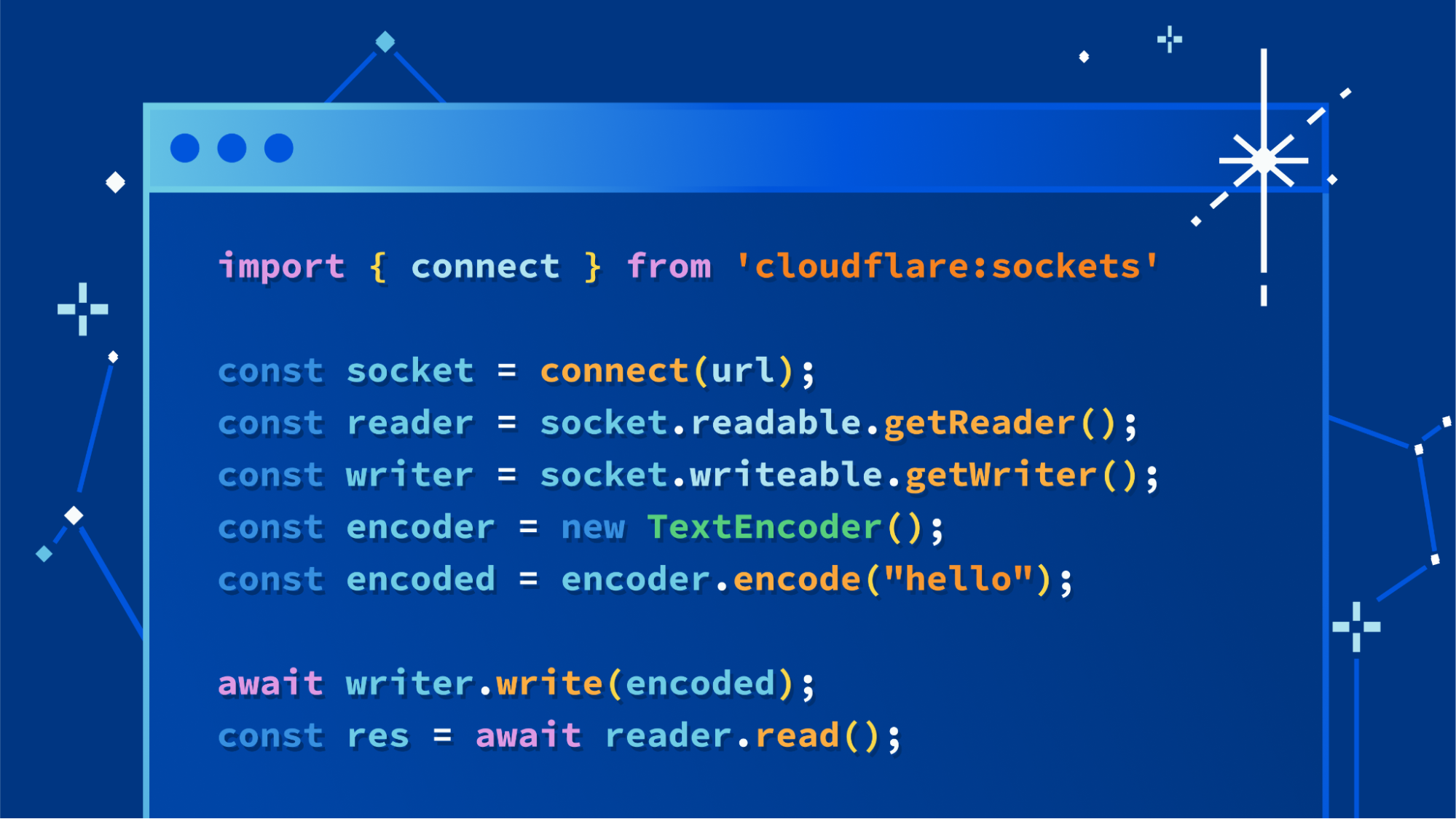
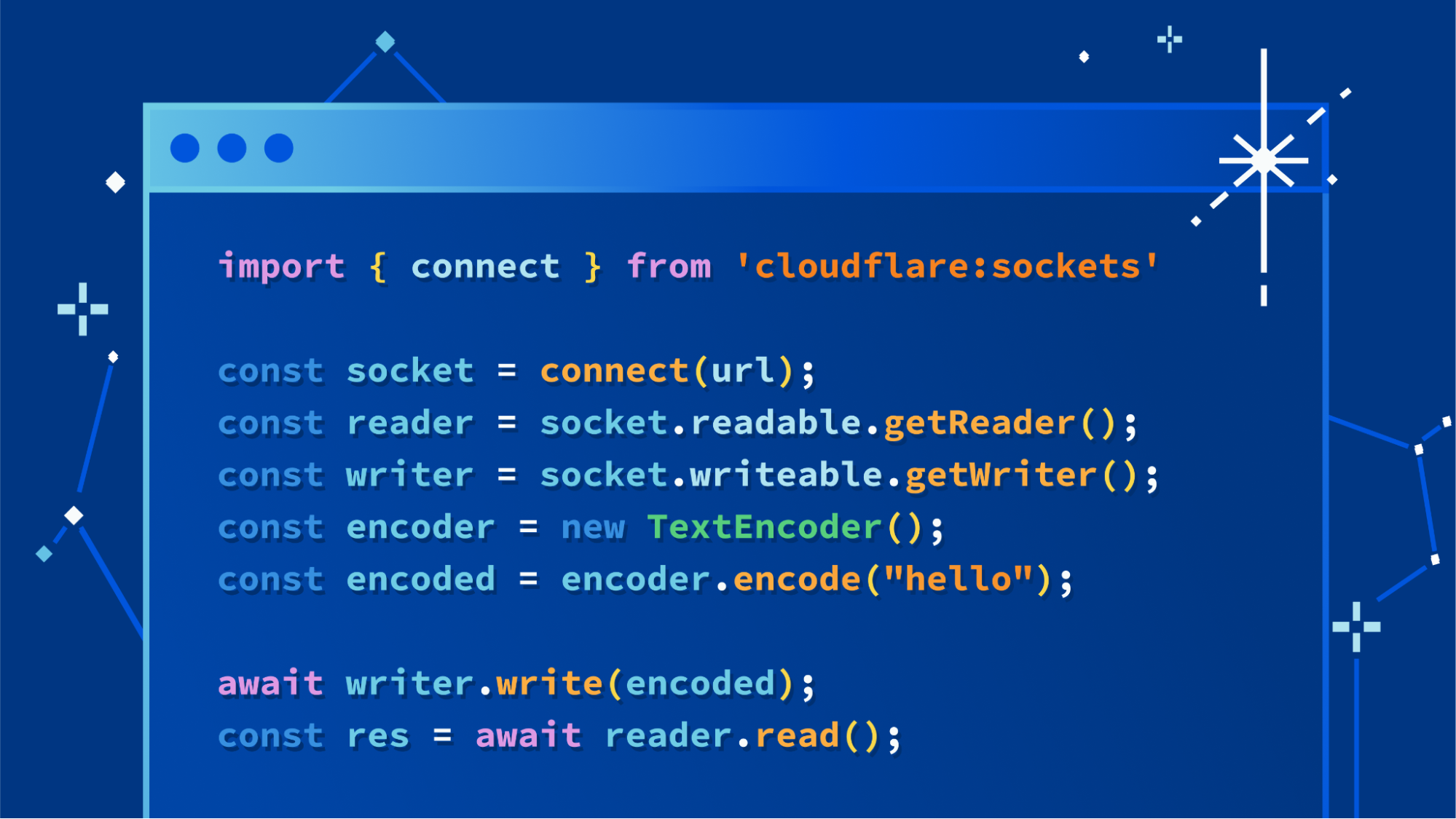
Today, we are excited to announce a new API in Cloudflare Workers for creating outbound TCP sockets, making it possible to connect directly to any TCP-based service from Workers.
Standard protocols including SSH, MQTT, SMTP, FTP, and IRC are all built on top of TCP. Most importantly, nearly all applications need to connect to databases, and most databases speak TCP. And while Cloudflare D1 works seamlessly on Workers, and some hosted database providers allow connections over HTTP or WebSockets, the vast majority of databases, both relational (SQL) and document-oriented (NoSQL), require clients to connect by opening a direct TCP “socket”, an ongoing two-way connection that is used to send queries and receive data. Now, Workers provides an API for this, the first of many steps to come in allowing you to use any database or infrastructure you choose when building full-stack applications on Workers.
Database drivers, the client code used to connect to databases and execute queries, are already using this new API. pg, the most widely used JavaScript database driver for PostgreSQL, works on Cloudflare Workers today, with more database drivers to come.
The TCP Socket API is available today to everyone. Get started by reading the TCP Continue reading
5 Questions to Ask to Keep Your Organization Safe from Network Vulnerabilities
Here are the five most important questions that companies need to ask vendors and staff to minimize network vulnerabilities and keep their network safe.ITNOG 7 Wrap-up
I attended ITNOG 7 last week, and thoroughly enjoyed a full day of interesting presentations, including how do you run Internet services in a war zone by Elena Lutsenko and Milko Ilari.
The morning was focused primarily on BGP:
ITNOG 7 Wrap-up
I attended ITNOG 7 last week, and thoroughly enjoyed a full day of interesting presentations, including how do you run Internet services in a war zone by Elena Lutsenko and Milko Ilari.
The morning was focused primarily on BGP:
Cloud Notes: AWS CloudFront
https://codingpackets.com/blog/cloud-notes-aws-cloudfront
Cloud Notes: AWS CloudFront
https://codingpackets.com/blog/cloud-notes-aws-cloudfront
The Future Of AI Training Demands Optical Interconnects
Artificial intelligence has taken the datacenter by storm, and it is forcing companies to rethink the balance between compute, storage, and networking. …
The Future Of AI Training Demands Optical Interconnects was written by Timothy Prickett Morgan at The Next Platform.
Poison Control: Report Says Tech Workplace Toxicity Rising
Tech layoffs intensify perception of a toxic workplace, 45% of respondents in a new study said. Leaders know how to address the problem -- are they doing enough?Network Break 430: Cisco Viptela Customers Have A Certifiably Bad Day; IT Crimes And Punishments
Take a Network Break! This week we cover some follow-up on Lumen. Then we dive into a massive Cisco blunder that let a digital certificate expire on some models of the Viptela SD-WAN appliance, causing device failures. Extreme Networks release a new Wi-Fi 6e AP and core and aggregation switches, a Ubiquiti employee who stole... Read more »Network Break 430: Cisco Viptela Customers Have A Certifiably Bad Day; IT Crimes And Punishments
Take a Network Break! This week we cover some follow-up on Lumen. Then we dive into a massive Cisco blunder that let a digital certificate expire on some models of the Viptela SD-WAN appliance, causing device failures. Extreme Networks release a new Wi-Fi 6e AP and core and aggregation switches, a Ubiquiti employee who stole […]
The post Network Break 430: Cisco Viptela Customers Have A Certifiably Bad Day; IT Crimes And Punishments appeared first on Packet Pushers.
Zero Trust Security for AI
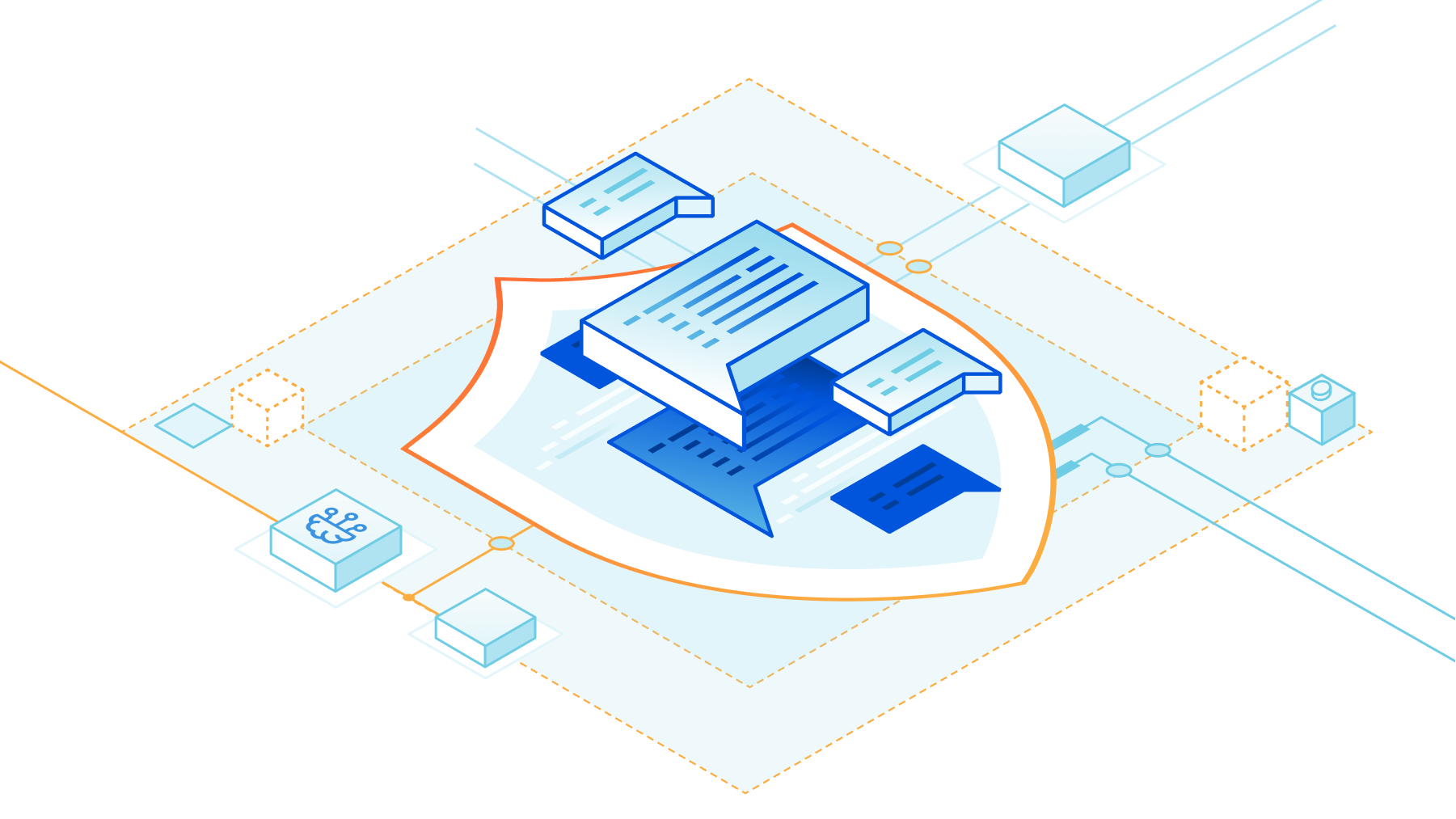
A collection of tools from Cloudflare One to help your teams use AI services safely
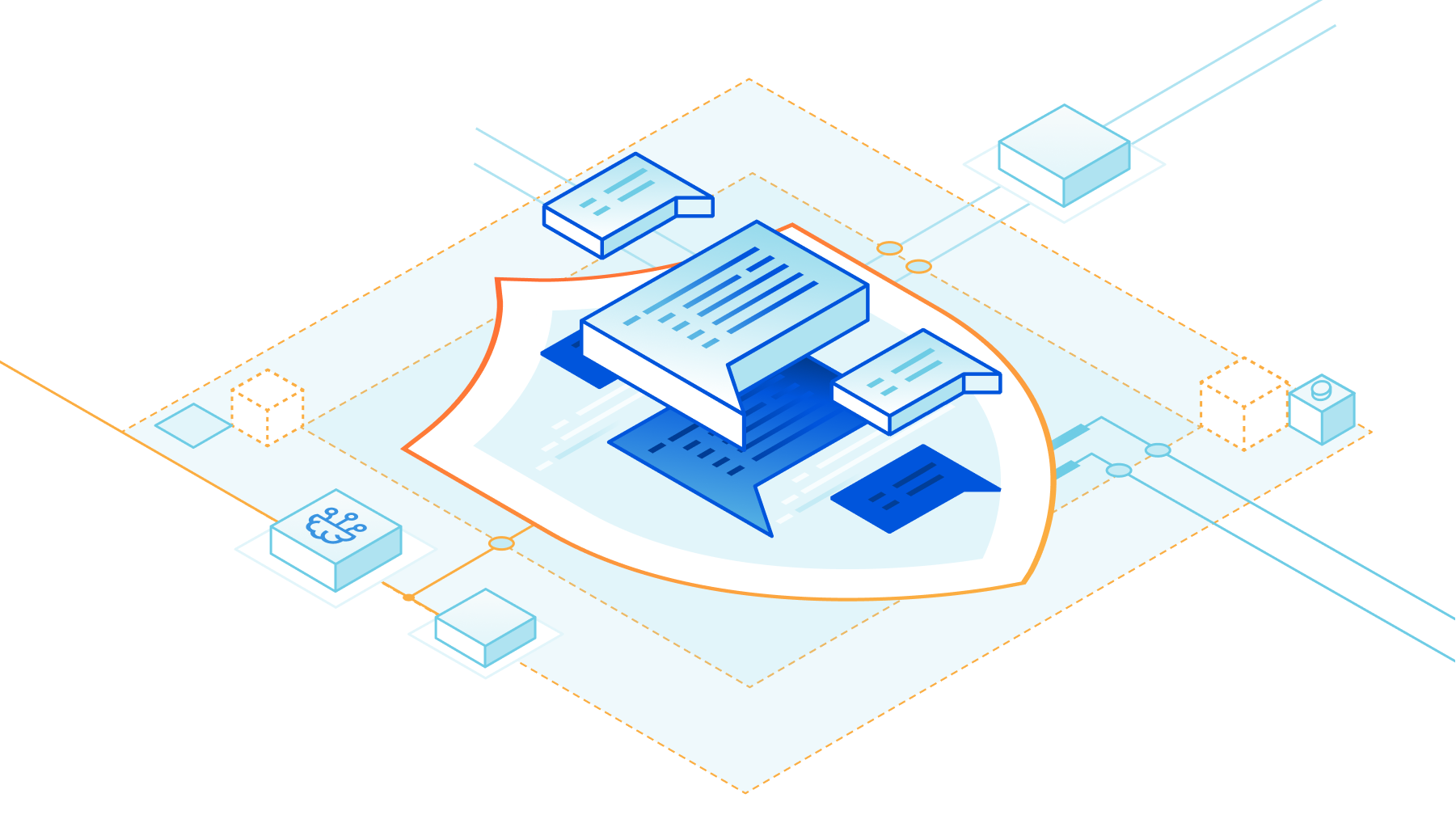
Cloudflare One gives teams of any size the ability to safely use the best tools on the Internet without management headaches or performance challenges. We’re excited to announce Cloudflare One for AI, a new collection of features that help your team build with the latest AI services while still maintaining a Zero Trust security posture.
Large Language Models, Larger Security Challenges
A Large Language Model (LLM), like OpenAI’s GPT or Google’s Bard, consists of a neural network trained against a set of data to predict and generate text based on a prompt. Users can ask questions, solicit feedback, and lean on the service to create output from poetry to Cloudflare Workers applications.
The tools also bear an uncanny resemblance to a real human. As in some real-life personal conversations, oversharing can become a serious problem with these AI services. This risk multiplies due to the types of use cases where LLM models thrive. These tools can help developers solve difficult coding challenges or information workers create succinct reports from a mess of notes. While helpful, every input fed into a prompt becomes a piece of Continue reading
A raft of free Cloudflare services for AI startups
Over the past couple of years, we have piloted a program for early stage startups with free access to a selection of developer products that are high leverage for them. Last year, we launched version 2 of the startup program, which dramatically expanded the basket of products included.
While upgrading startups to the startup plan, I often get inquiries from startups that are fully bootstrapped and not affiliated with any accelerator program. Many of them, especially AI startups, are very promising and would benefit highly from the startup plan.
Typically, they also apply for the Workers Launchpad program, for whom semi-finalists can get upgraded to the startup plan as a benefit. But many of those startups would benefit from getting upgraded right away rather than wait for the review process for each cohort.
Starting today, AI startups no longer need an accelerator affiliation or an employee referral in order to qualify for the Startup Program.
How to get on the startup plan as an AI startup
Here’s what I need you to do if you are a founder of a bootstrapped AI startup. Create a Cloudflare account if you don’t have one, add a domain, and update Continue reading