0
HP, SanDisk partner to bring storage-class memory to market
Hewlett-Packard and SanDisk today announced an agreement to jointly develop "Storage Class Memory" (SCM) that could replace DRAM and would be 1,000 times faster than NAND flash.The two companies will market their SCM products for use in enterprise cloud infrastructures based on HP's memristor (a revolutionary form of resistor), which it has been developing for at least five years, and SanDisk's ReRAM memory technology.The resulting non-volatile memory technology is expected to be up to 1,000 times faster while offering up to 1,000 times more endurance than flash storage, the companies said.To read this article in full or to leave a comment, please click here
 How about the bandwidth of your WAN links? Wouldn’t it be nice to have facts, such as what their current bandwidth utilization is, be a part of the Intelligent decision making at the WAN edge?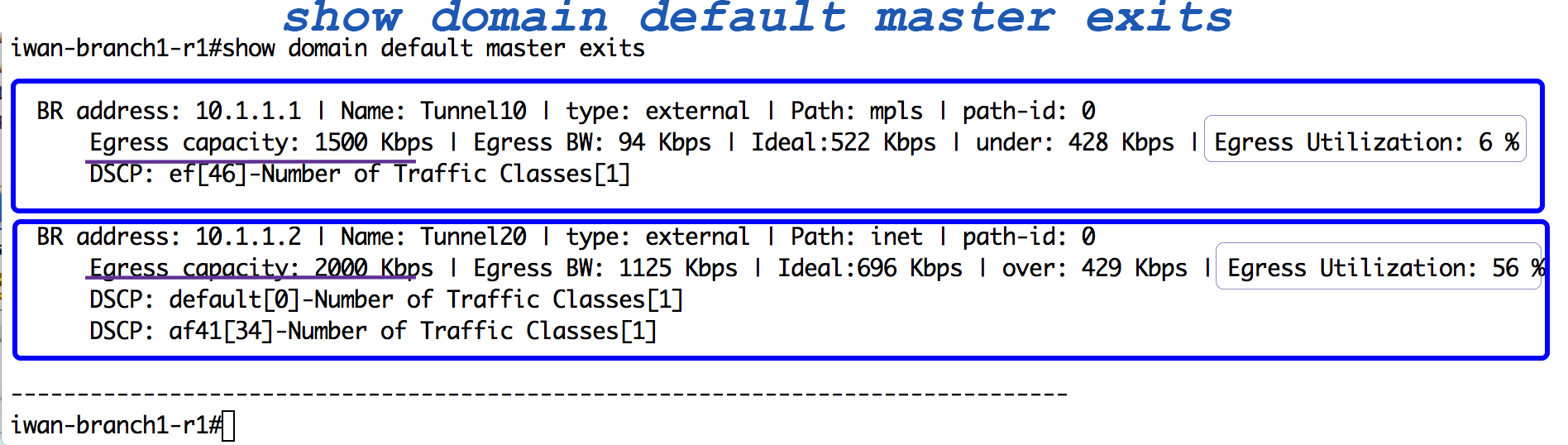
 IoT has already come to AWS. Amazon wants to take advantage by making the Internet of Things even easier.