Kuala Lumpur, Malaysia: CloudFlare’s 45th data center
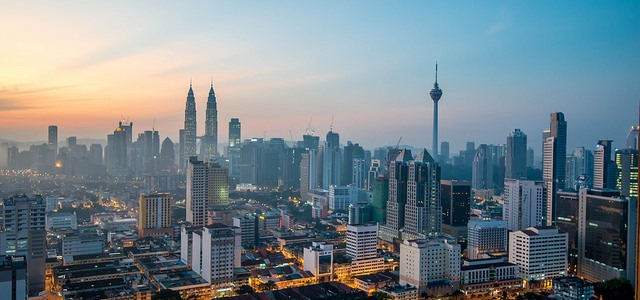
Kuala Lumpur joins the CloudFlare network as our 45th global point of presence (PoP). While this latest deployment comes only a day after the announcement of our expansion in Berlin (back-to-back!), it's been a long three years since we last crossed a new border in Asia. Kuala Lumpur expands our presence in the Asia-Pacific region to nine PoPs: Kuala Lumpur, Seoul, Tokyo, Osaka, Hong Kong, Singapore, Sydney, Melbourne and Auckland.
No boomerangs allowed
One of the difficulties of delivering content locally in certain parts of Asia (and in many other parts of the world for that matter) is that certain ISPs only connect with other ISPs in the same local Internet ecosystem outside of their national borders. In the absence of domestic interconnection, a request (e.g. an e-mail or web request) from one local ISP to another "boomerangs" outside of the national border before it is ultimately delivered to another local ISP. If you live or travel in certain parts of Asia, this is one of the leading culprits for why the web feels slow. The lack of a domestic and central interconnection point also makes it challenging for networks like CloudFlare, both Continue reading
 Join the CENX webinar on data services delivery and lifecycle service orchestration (LSO) for a unique presentation on the benefits of service fulfillment through LSO and NFV.



 MYTH: using Ansible to do fully-automated provisioning of Windows instances in AWS is difficult, because WinRM is not enabled by default on Amazon’s Windows AMIs, and the admin password is not known at startup.
 The NEC subsidiary gives Telefónica a hand with SDN and NFV.
 Skyport answers post-DemoFriday questions on its cloud-managed SkySecure system. Read the full Q&A on SDxCentral.