One year at Plexxi and the Future of Networking
It’s almost time to celebrate my one-year work anniversary with Plexxi, coming up next month. When I began here I set out with a grand vision set on building a simply better network. I’m grateful to the entire Plexxi team for their commitment and hard work to make many of our goals a reality. I believe that today we are better and stronger as a company. We have meaningful industry partnerships like our distribution agreement with Arrow, groundbreaking product developments and more financing to make our goals and growth plans a reality.
Last week I spoke with Chris Talbot, a writer at FierceEnterpriseCommunications and had the opportunity to reflect on my time with Plexxi so far. Chris and I discussed what led me to join Plexxi, why I believe in what we’re doing and why we’re pioneering a new path for networks that is going to lead the industry for years to come.
We are making great strides and I’m excited about the momentum we have going for us right now and what the future holds. You can find Chris’ article, “The Future of Networking is Photonic Underlays” here. Let me know what you think.
The post Continue reading
 The NFV project looks ready to launch by March, Docomo tells the SDN & OpenFlow World Congress.


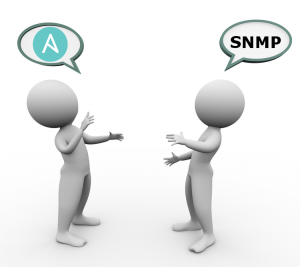 Until there is a universal standard which states how to access network devices I believe SNMP is the best option when it comes to determining what a device actually is. While SNMP’s glory days might be long gone, if there in fact were any. There are still some instances where SNMP is more handy than the modern APIs we have now. All network devices respond in the same way to SNMP queries. This can be compared to a REST API where you have to know the URL of the API before you can target a device. Even with SSH which is also a standard the implementation differs between various vendors, while this doesn’t matter if you are connecting to the device manually it does if you are using a script. Looking at
  SDxCentral is delighted to reveal the new NEC/NetCracker channel! Visit the NEC/NetCracker channel to learn more about the partners's latest solutions for the network virtualization and SDN space.


 Service providers are starting to embrace container technology to deliver more dynamic, distributed applications
 Until there is a universal standard which states how to access network devices I believe SNMP is the best option when it comes to determining what a device actually is. While SNMP’s glory days might be long gone, if there in fact were any. There are still some instances where SNMP is more handy than the modern APIs we have now. All network devices respond in the same way to SNMP queries. This can be compared to a REST API where you have to know the URL of the API before you can target a device. Even with SSH which is also a standard the implementation differs between various vendors, while this doesn’t matter if you are connecting to the device manually it does if you are using a script. Looking at
 Tail-f sticks to its multivendor roots and declares a YANG revolution.