0
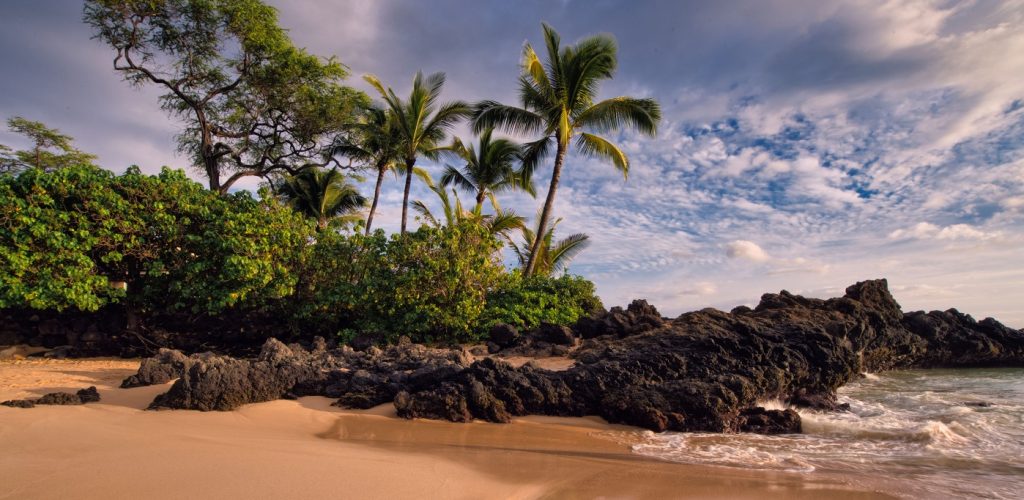
To many North Americans, Hawai’i is a
place of beaches, resorts, surfing, rainforests, and volcanoes — it’s a
vacation destination.
But despite its tourism infrastructure and economy, Native Hawaiian communities in the far-flung chain of more than 130 islands face many of the same Internet connectivity challenges as Indigenous communities in Canada and the continental United States. And for a variety of economic, policy and geographic reasons, it is often excluded from efforts to improve access for Indigenous, rural and remote communities.
The Internet Society believes the Internet is for everyone
and works with underserved communities to find and create local access
solutions in some of the hardest-to-reach places on earth. What’s
exciting is that despite the different geographic landscapes, the same community-led
solution underway to improve Internet access in the high Arctic
could also help Native Hawaiians carve their own path to better connectivity.
That’s why, in 2019, the Internet
Society is holding its third annual Indigenous
Connectivity Summit (ICS) in Hawai’i.
Including Indigenous voices in the planning and solutions that shape the Internet is a vital part of closing the digital divide. Previous summits in Santa Fe, New Mexico, in 2017, and Inuvik, Northwest Territories, Canada, Continue reading