Video: Kubernetes Services Types
Kubernetes services are like networking standards: there are so many to choose from. In his brief introduction to Kubernetes service types, Stuart Charlton listed six of them, and I’m positive there are more. That’s what you get when you’re trying to reinvent every network load balancing method known to mankind ;)
Parts of Kubernetes Networking Deep Dive webinar (including this video) are available with Free ipSpace.net Subscription.
Video: Kubernetes Services Types
Kubernetes services are like networking standards: there are so many to choose from. In his brief introduction to Kubernetes service types, Stuart Charlton listed six of them, and I’m positive there are more. That’s what you get when you’re trying to reinvent every network load balancing method known to mankind ;)
Parts of Kubernetes Networking Deep Dive webinar (including this video) are available with Free ipSpace.net Subscription.
DNS Evolution: Innovation or Fragmentation?
How should we engage with evolution and innovation in the Internet’s name space? How can we evolve this name environment if we avoid fragmentation and stay within the confines of the incumbent name system? Are all that we are permitted to vary when we try to innovate in the name space are the values of the labels used within DNS names? This was never a satisfactory answer, and many actors have experimented with various forms of alternative name systems running over the Internet for many years. These efforts inevitably result in a fragmented name space. Is there a better way to respond to these conflicting pressures?Kubernetes Unpacked 010: Troubleshooting And Alerting On Kubernetes
In this episode, Michael catches up with Natan Yellin, CEO of Robusta.dev. Michael and Ned chat about how logging and troubleshooting works in Kubernetes today. They discuss three stages of troubleshooting evolution - manual playbooks, automatic playbooks, and the third stage, which is what you do with logs and how automatic remediation can come into play for any Kubernetes environment.
The post Kubernetes Unpacked 010: Troubleshooting And Alerting On Kubernetes appeared first on Packet Pushers.
Kubernetes Unpacked 010: Troubleshooting And Alerting On Kubernetes
In this episode, Michael catches up with Natan Yellin, CEO of Robusta.dev. Michael and Ned chat about how logging and troubleshooting works in Kubernetes today. They discuss three stages of troubleshooting evolution - manual playbooks, automatic playbooks, and the third stage, which is what you do with logs and how automatic remediation can come into play for any Kubernetes environment.The (hardware) key to making phishing defense seamless with Cloudflare Zero Trust and Yubico
This post is also available in 简体中文, Français, 日本語 and Español.
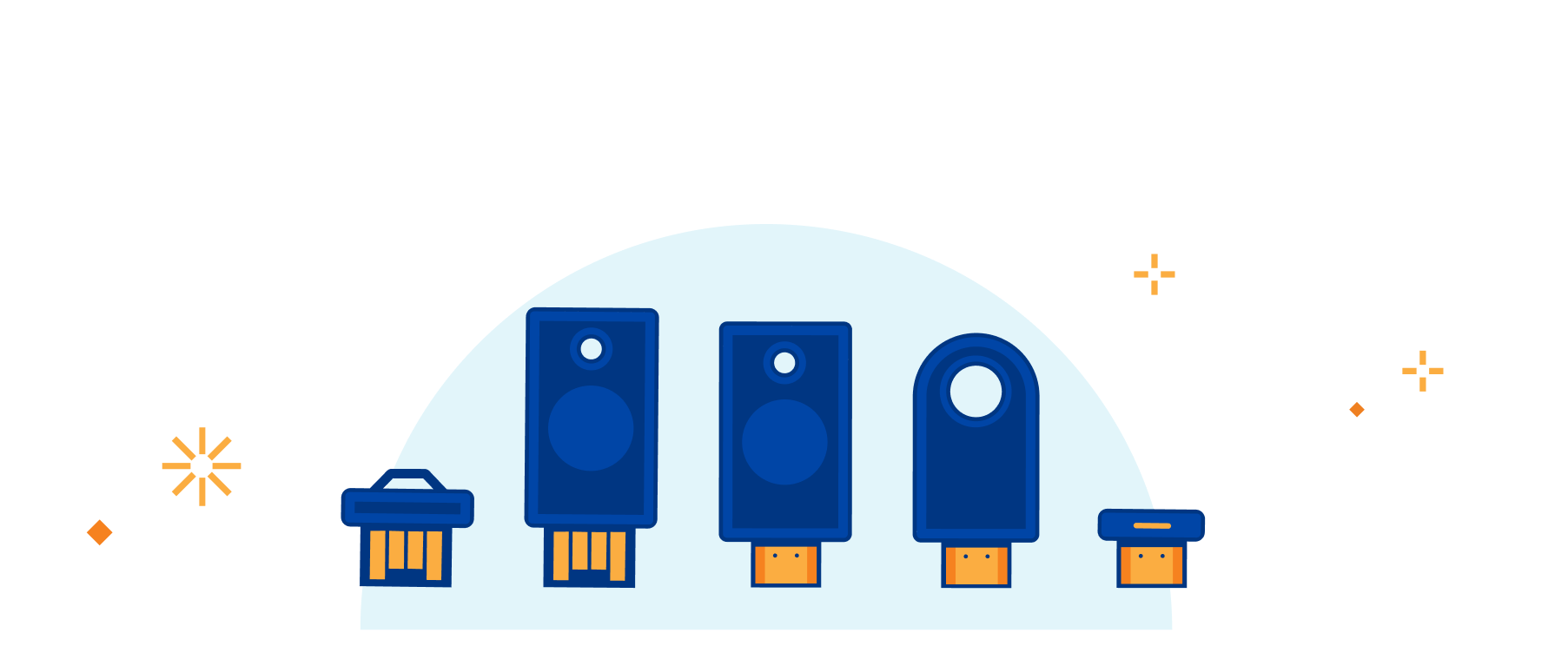
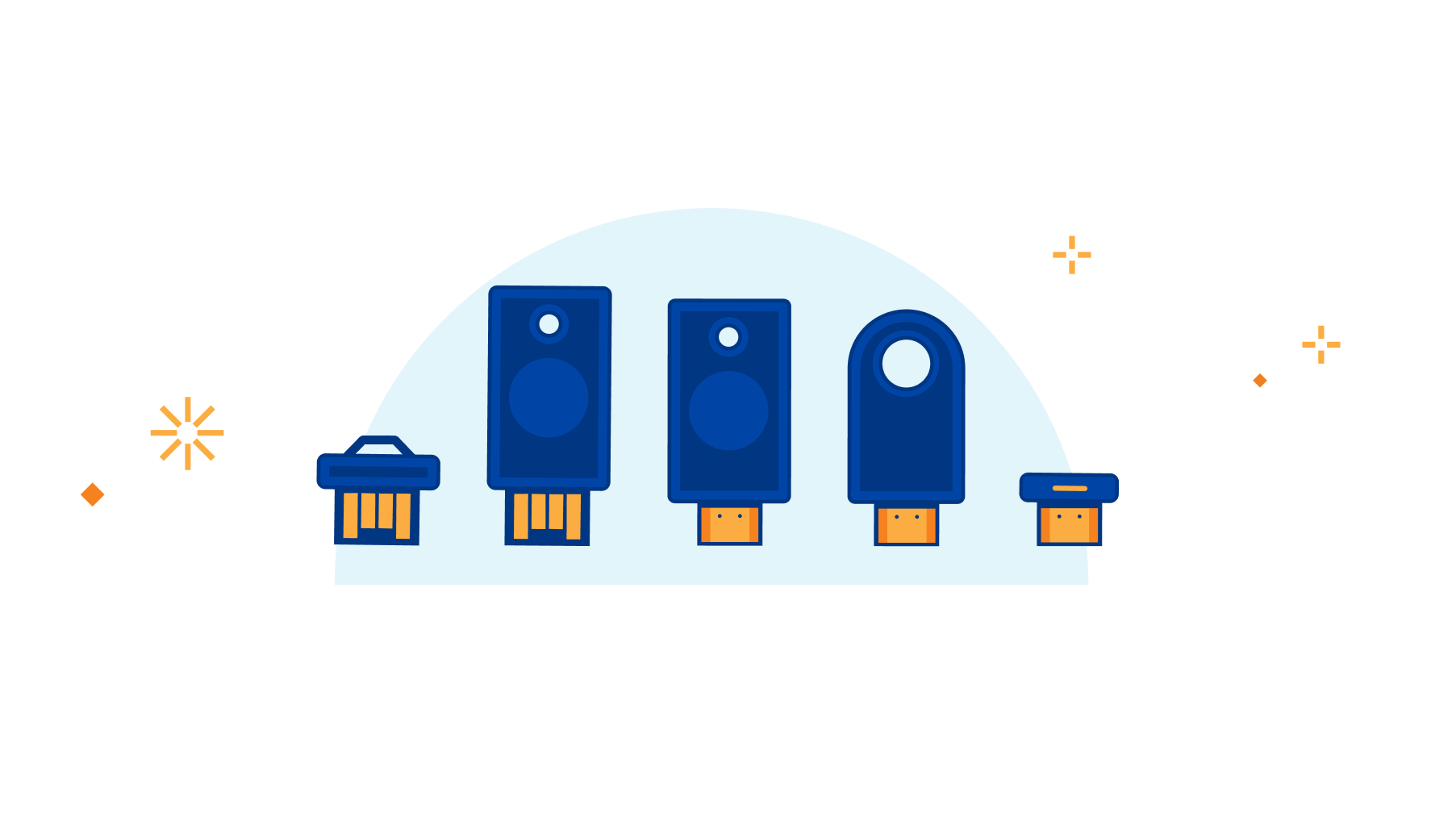
Hardware keys provide the best authentication security and are phish-proof. But customers ask us how to implement them and which security keys they should buy. Today we’re introducing an exclusive program for Cloudflare customers that makes hardware keys more accessible and economical than ever. This program is made possible through a new collaboration with Yubico, the industry’s leading hardware security key vendor and provides Cloudflare customers with exclusive “Good for the Internet” pricing.
Yubico Security Keys are available today for any Cloudflare customer, and they easily integrate with Cloudflare’s Zero Trust service. That service is open to organizations of any size from a family protecting a home network to the largest employers on the planet. Any Cloudflare customer can sign in to the Cloudflare dashboard today and order hardware security keys for as low as $10 per key.
In July 2022, Cloudflare prevented a breach by an SMS phishing attack that targeted more than 130 companies, due to the company’s use of Cloudflare Zero Trust paired with hardware security keys. Those keys were YubiKeys and this new collaboration with Yubico, the maker of YubiKeys, removes barriers for Continue reading
How Cloudflare implemented hardware keys with FIDO2 and Zero Trust to prevent phishing
Cloudflare’s security architecture a few years ago was a classic “castle and moat” VPN architecture. Our employees would use our corporate VPN to connect to all the internal applications and servers to do their jobs. We enforced two-factor authentication with time-based one-time passcodes (TOTP), using an authenticator app like Google Authenticator or Authy when logging into the VPN but only a few internal applications had a second layer of auth. That architecture has a strong looking exterior, but the security model is weak. We recently detailed the mechanics of a phishing attack we prevented, which walks through how attackers can phish applications that are “secured” with second factor authentication methods like TOTP. Happily, we had long done away with TOTP and replaced it with hardware security keys and Cloudflare Access. This blog details how we did that.
The solution to the phishing problem is through a multi-factor authentication (MFA) protocol called FIDO2/WebAuthn. Today, all Cloudflare employees log in with FIDO2 as their secure multi-factor and authenticate to our systems using our own Zero Trust products. Our newer architecture is phish proof and allows us to more easily enforce the least privilege access control.
A little about the terminology of Continue reading
Now all customers can share access to their Cloudflare account with Role Based Access Controls
Cloudflare’s mission is to help build a better Internet. Pair that with our core belief that security is something that should be accessible to everyone and the outcome is a better and safer Internet for all. Previously, our FREE and PAYGO customers didn’t have the flexibility to give someone control of just part of their account, they had to give access to everything.
Starting today, role based access controls (RBAC), and all of our additional roles will be rolled out to users on every plan! Whether you are a small business or even a single user, you can ensure that you can add users only to parts of Cloudflare you deem appropriate.
Why should I limit access?
It is good practice with security in general to limit access to what a team member needs to do a job. Restricting access limits the overall threat surface if a given user was compromised, and ensures that you limit the surface that mistakes can be made.
If a malicious user was able to gain access to an account, but it only had read access, you’ll find yourself with less of a headache than someone who had administrative access, and could change how your Continue reading
Back in 2017 we gave you Unmetered DDoS Mitigation, here’s a birthday gift: Unmetered Rate Limiting


In 2017, we made unmetered DDoS protection available to all our customers, regardless of their size or whether they were on a Free or paid plan. Today we are doing the same for Rate Limiting, one of the most successful products of the WAF family.
Rate Limiting is a very effective tool to manage targeted volumetric attacks, takeover attempts, bots scraping sensitive data, attempts to overload computationally expensive API endpoints and more. To manage these threats, customers deploy rules that limit the maximum rate of requests from individual visitors on specific paths or portions of their applications.
Until today, customers on a Free, Pro or Business plan were able to purchase Rate Limiting as an add-on with usage-based cost of $5 per million requests. However, we believe that an essential security tool like Rate Limiting should be available to all customers without restrictions.
Since we launched unmetered DDoS, we have mitigated huge attacks, like a 2 Tbps multi-vector attack or the most recent 26 million requests per second attack. We believe that releasing an unmetered version of Rate Limiting will increase the overall security posture of millions of applications protected by Cloudflare.
Today, we are announcing that Free, Pro and Continue reading
Click Here! (safely): Automagical Browser Isolation for potentially unsafe links in email
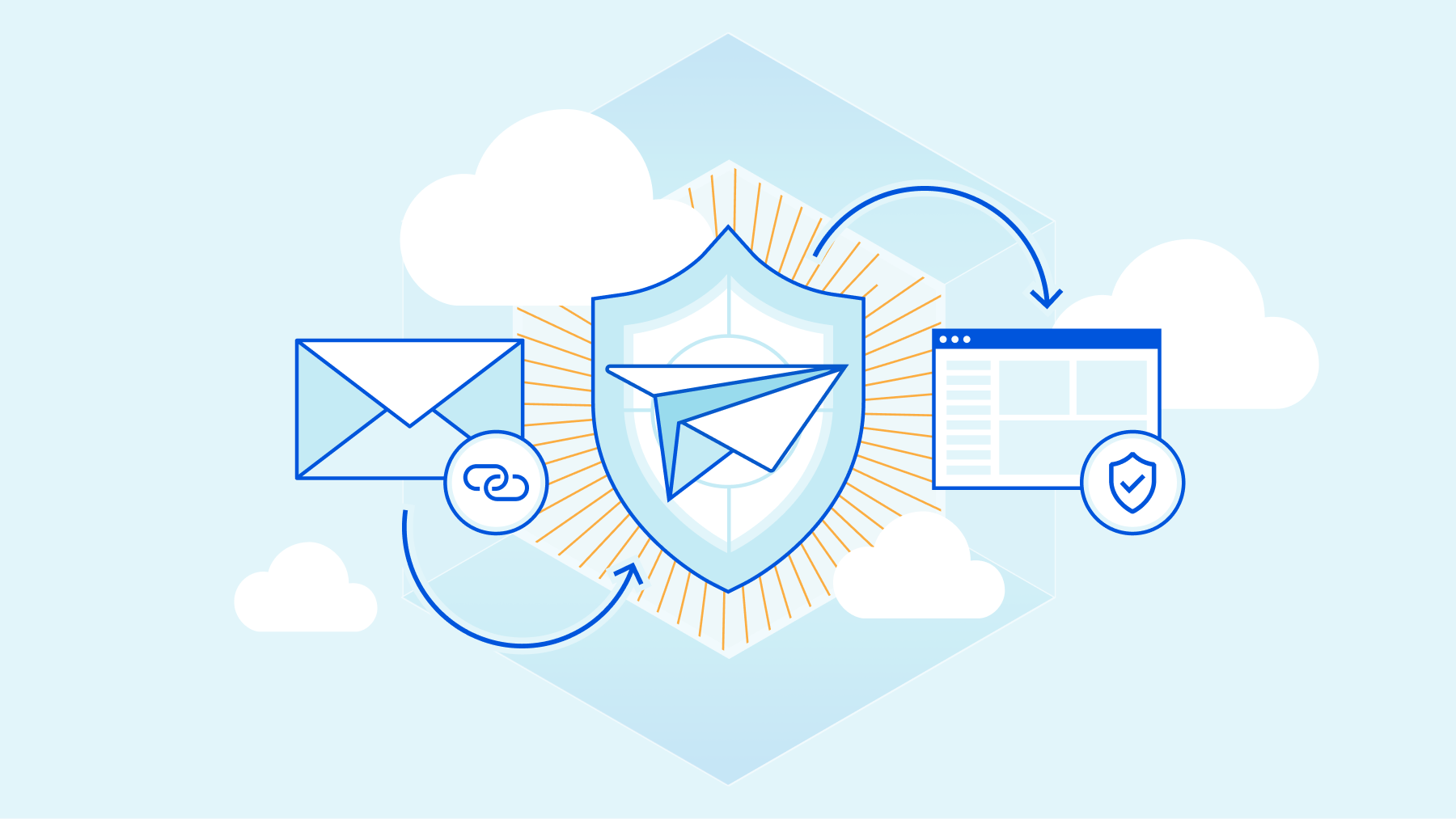
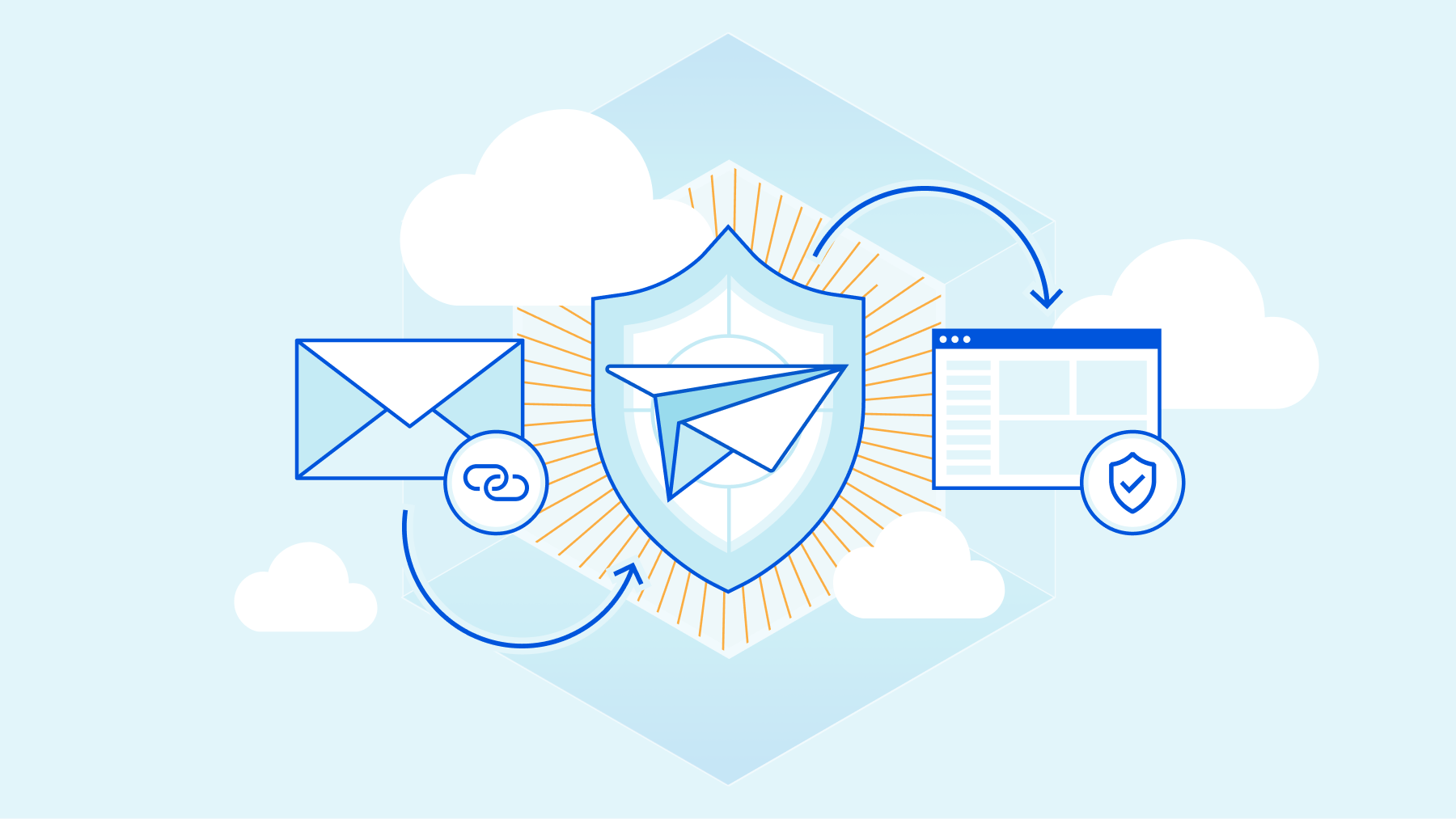
We're often told not to click on 'odd' links in email, but what choice do we really have? With the volume of emails and the myriad of SaaS products that companies use, it's inevitable that employees find it almost impossible to distinguish a good link before clicking on it. And that's before attackers go about making links harder to inspect and hiding their URLs behind tempting "Confirm" and "Unsubscribe" buttons.
We need to let end users click on links and have a safety net for when they unwittingly click on something malicious — let’s be honest, it’s bound to happen even if you do it by mistake. That safety net is Cloudflare's Email Link Isolation.
Email Link Isolation
With Email Link Isolation, when a user clicks on a suspicious link — one that email security hasn’t identified as ‘bad’, but is still not 100% sure it’s ‘good’ — they won’t immediately be taken to that website. Instead, the user first sees an interstitial page recommending extra caution with the website they’ll visit, especially if asked for passwords or personal details.

From there, one may choose to not visit the webpage or to proceed and open it in a remote isolated Continue reading