The Basics of Network Address Translation (NAT)
The last video in the 2-hour-long Network Addressing part of How Networks Really Work discusses Network Address Translation.
After watching it, you might want to spend some extra quality time (with a bit of soap opera vibe) enjoying the recent Dual ISP deployment operational issues and uncertainties thread on the v6ops mailing list with a “surprising” result: NPTv6 or NAT66 is the least horrible way to do it.
You need Free ipSpace.net Subscription to watch the video, and the Standard ipSpace.net Subscription to register for upcoming live sessions.
The Basics of Network Address Translation (NAT)
The last video in the 2-hour-long Network Addressing part of How Networks Really Work discusses Network Address Translation.
After watching it, you might want to spend some extra quality time (with a bit of soap opera vibe) enjoying the recent Dual ISP deployment operational issues and uncertainties thread on the v6ops mailing list with a “surprising” result: NPTv6 or NAT66 is the least horrible way to do it.
You need Free ipSpace.net Subscription to watch the video, and the Standard ipSpace.net Subscription to register for upcoming live sessions.
Juniper Apstra Freeform Supports New Topologies, Protocols For Data Center Automation–With Caveats
Juniper Apstra has introduced Freeform, a new way to consume Apstra's data center automation platform without being tied to stringent reference architectures. While Freeform expands the network topologies and protocols Apstra can work with, it comes with its own tradeoffs.
The post Juniper Apstra Freeform Supports New Topologies, Protocols For Data Center Automation–With Caveats appeared first on Packet Pushers.
Kubernetes Unpacked 009: Kubernetes Automation And Repeatability
In this episode, host Michael Levan talks with Ned Bellavance about why orchestration is important in today’s world, how the HashiCorp stack (primarily Terraform and Vault) fit into Kubernetes, and more.Kubernetes Unpacked 009: Kubernetes Automation And Repeatability
In this episode, host Michael Levan talks with Ned Bellavance about why orchestration is important in today’s world, how the HashiCorp stack (primarily Terraform and Vault) fit into Kubernetes, and more.
The post Kubernetes Unpacked 009: Kubernetes Automation And Repeatability appeared first on Packet Pushers.
Low latency flow analytics

Real-time analytics on network flow data with Apache Pinot describes LinkedIn's flow ingestion and analytics pipeline for sFlow and IPFIX exports from network devices. The solution uses Apache Kafka message queues to connect LinkedIn's InFlow flow analyzer with the Apache Pinot datastore to support low latency queries. The article describes the scale of the monitoring system, InFlow receives 50k flows per second from over 100 different network devices on the LinkedIn backbone and edge devices and states InFlow requires storage of tens of TBs of data with a retention of 30 days. The article concludes, Following the successful onboarding of flow data to a real-time table on Pinot, freshness of data improved from 15 mins to 1 minute and query latencies were reduced by as much as 95%.

Using Cloudflare R2 as an apt/yum repository
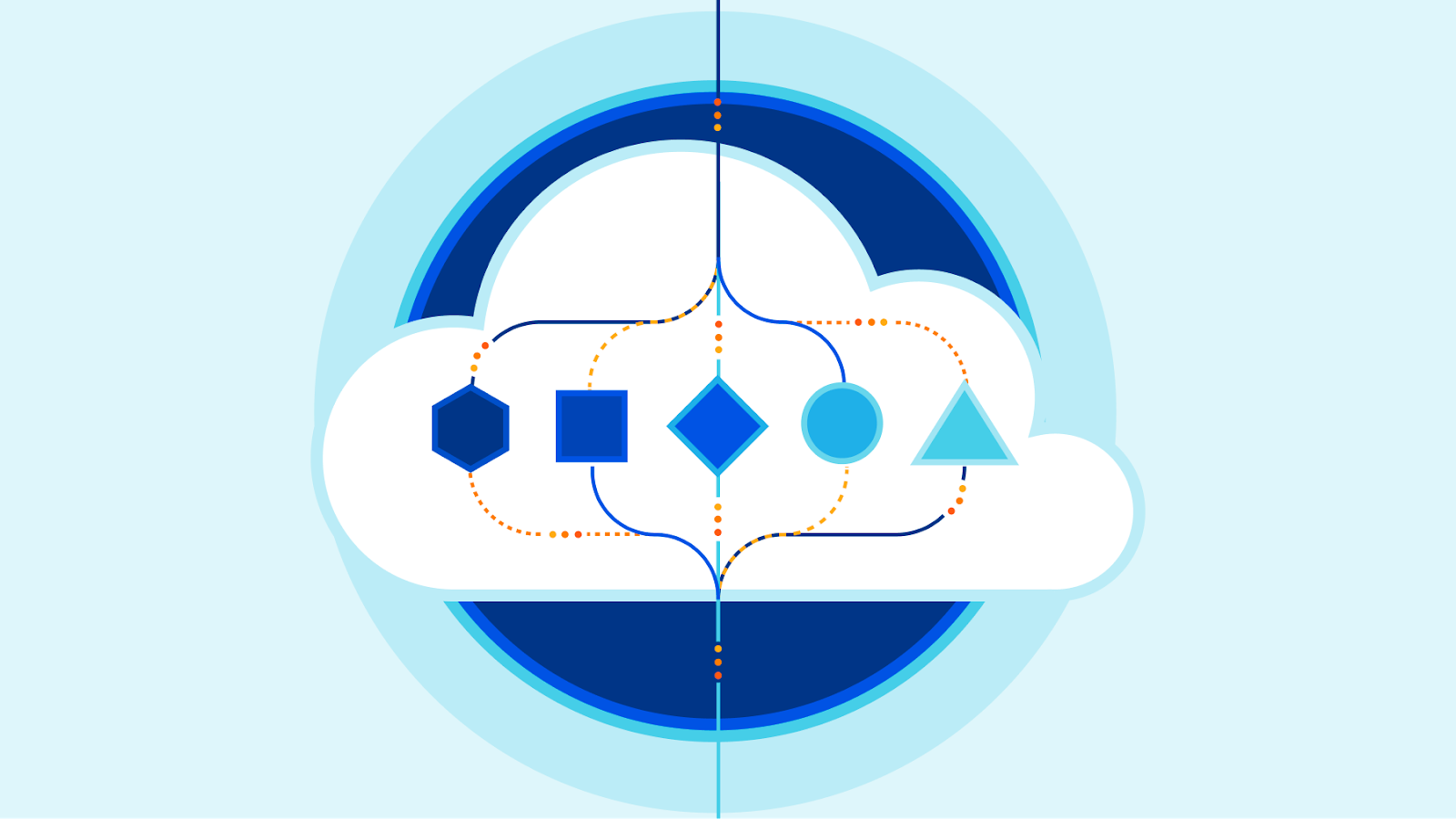
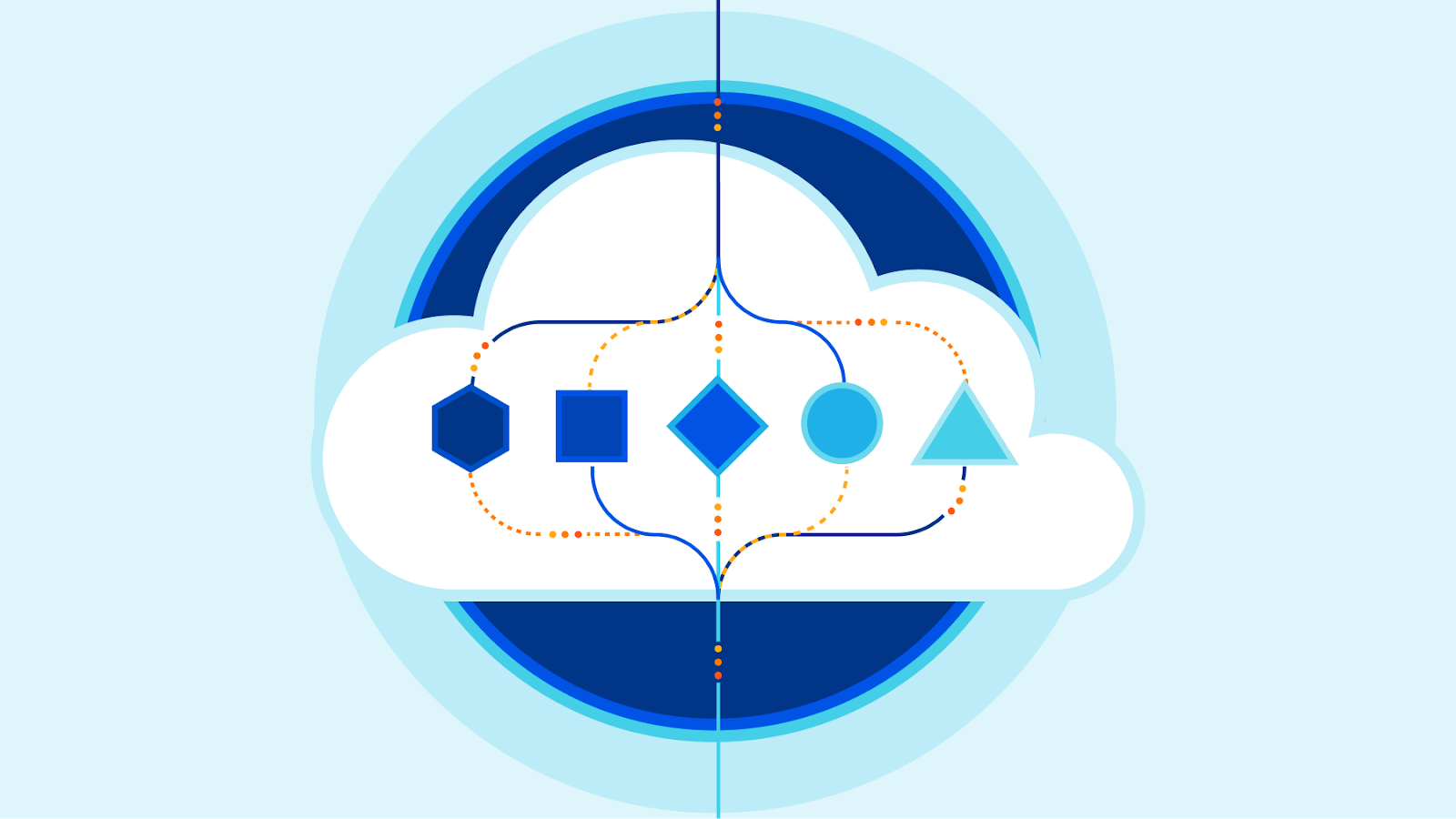
In this blog post, we’re going to talk about how we use Cloudflare R2 as an apt/yum repository to bring cloudflared (the Cloudflare Tunnel daemon) to your Debian/Ubuntu and CentOS/RHEL systems and how you can do it for your own distributable in a few easy steps!
I work on Cloudflare Tunnel, a product which enables customers to quickly connect their private networks and services through the Cloudflare global network without needing to expose any public IPs or ports through their firewall. Cloudflare Tunnel is managed for users by cloudflared, a tool that runs on the same network as the private services. It proxies traffic for these services via Cloudflare, and users can then access these services securely through the Cloudflare network.
Our connector, cloudflared, was designed to be lightweight and flexible enough to be effectively deployed on a Raspberry Pi, a router, your laptop, or a server running on a data center with applications ranging from IoT control to private networking. Naturally, this means cloudflared comes built for a myriad of operating systems, architectures and package distributions: You could download the appropriate package from our GitHub releases, brew install it or apt/yum install it (https://pkg.cloudflare. Continue reading
Multi-Cloud: Myths and Reality
I keep hearing numerous variations of the following argument from people believing in the unlimited powers of multi-cloud1 (deploying your workloads in multiple public cloud providers):
We don’t install all our servers in the same DC. But would you trust one Cloud Server Provider with all your applications? That’s why you should use multi-cloud.
I’ve been hearing similar arguments for at least 30 years, including:
Multi-Cloud: Myths and Reality
I keep hearing numerous variations of the following argument from people believing in the unlimited powers of multi-cloud1 (deploying your workloads in multiple public cloud providers):
We don’t install all our servers in the same DC. But would you trust one Cloud Server Provider with all your applications? That’s why you should use multi-cloud.
I’ve been hearing similar arguments for at least 30 years, including:
Driving Business Growth, Innovation with Certified Services, Technologies, and Professionals
As technologies such as SD-WAN, SASE, and edge compute become more vital to support organizations’ business and operational strategies, technical training and professional certification programs designed to meet the rapid pace of digital transformation provide enterprises with several benefits.Arm Fills In Some Gaps – And Details – In Server Chip Roadmaps
Let’s just say it right here at the beginning. The first wave of attempts at creating Arm server chips –Calxeda, Applied Micro, AMD, Marvell, Nvidia, and Samsung, among others – was disappointing. …
Arm Fills In Some Gaps – And Details – In Server Chip Roadmaps was written by Timothy Prickett Morgan at The Next Platform.